Direct-to-Consumer Hearing Devices vs Professional Care
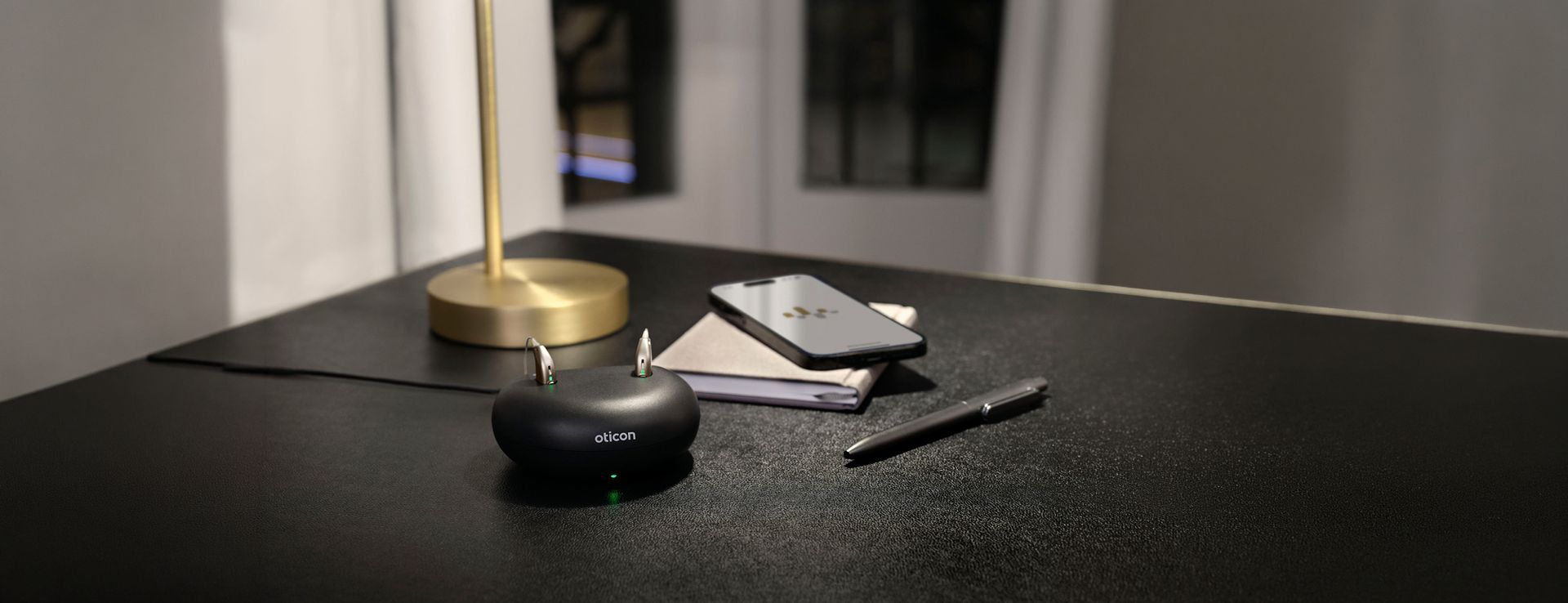
Over-the-counter (OTC) and direct-to-consumer(DTC) hearing aids are getting a lot of buzz, especially as consumer tech companies start to incorporate hearing-related functions into earbuds, phones, and app-driven gadgets.
For patients, the benefits may seem obvious: quicker access, a lower price tag, and more control. However, buying a feature or switching on a setting isn’t the same thing as receiving clinical care.
Hearing care should be health care
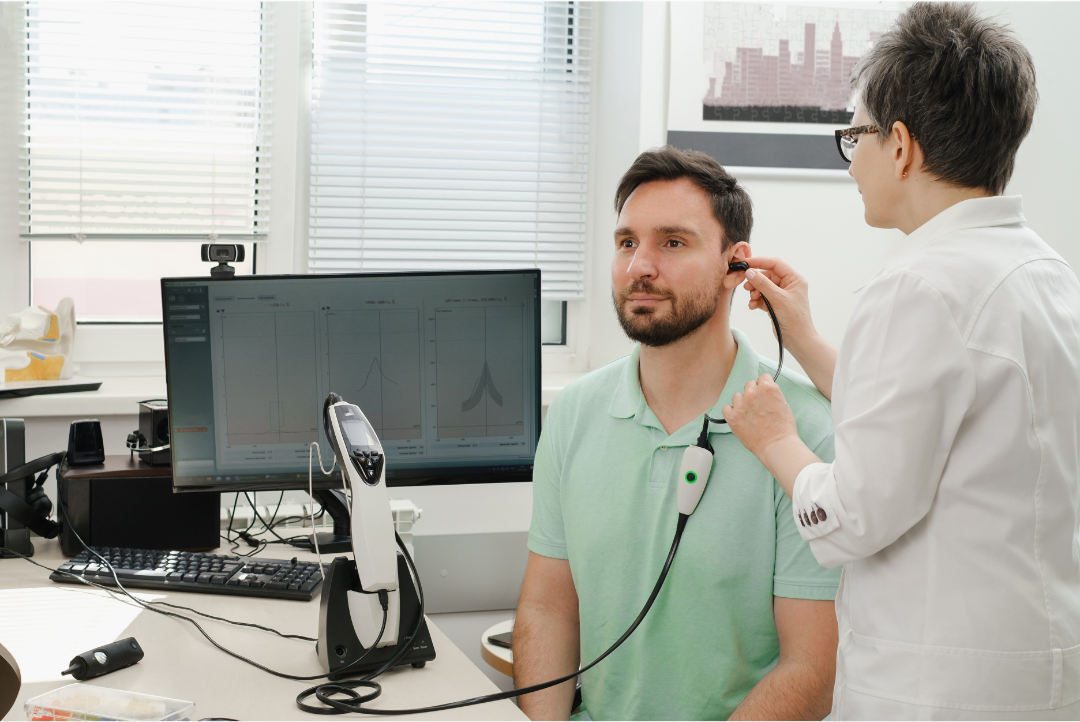
A proper hearing assessment takes time for a reason: hearing loss treatment isn’t just “turn it up.” A proper workup includes looking at the ear canal and eardrum, measuring hearing sensitivity, checking speech understanding, and screening for anything that should be seen by a physician.
This process helps discern between age-related hearing loss from other common causes, such as wax blockage, infection, sudden changes, asymmetry, conductive components, tinnitus issues, vestibular symptoms, and other red flags.
What OTC hearing aids actually are
In Canada, over-the-counter hearing aids and “add-on” earbud technologies are part of an evolving regulatory space. Health Canada regulates hearing aids and newer direct-to-consumer hearing technologies as medical devices, but provincial and territorial legislation also affects who can access them, how they’re dispensed, what professional involvement is expected, and what protections exist for patients.
That’s not the same as the United States.
The FDA created a specific OTC hearing aid category for adults 18+ with perceived mild to moderate hearing loss. Canadian readers shouldn’t assume those U.S. rules automatically carry over here. Even in the U.S., prescription hearing aids remain a separate category, which reflects the basic point: an OTC product isn’t the same as clinical care.
In Canada,
Health Canada has issued Class II medical-device licences for Apple hearing-related features, including a “hearing aid” function and its software. But a medical-device classification isn’t a promise that outcomes will match what a trained hearing professional can deliver. It means the product can be sold with that label. That’s regulatory wording, not a guarantee of clinical excellence, and not a declaration that it meets best-practice audiology standards.
A new label for familiar things
In spirit, OTC hearing aids aren’t really new, they’re more newly labelled. Mail-order amplifiers, hearables, and self-programmable devices have been around for decades. What’s changing in Canada is the regulatory discussion: which products should be available directly to adults, what guardrails should be required, and how labelling should work.
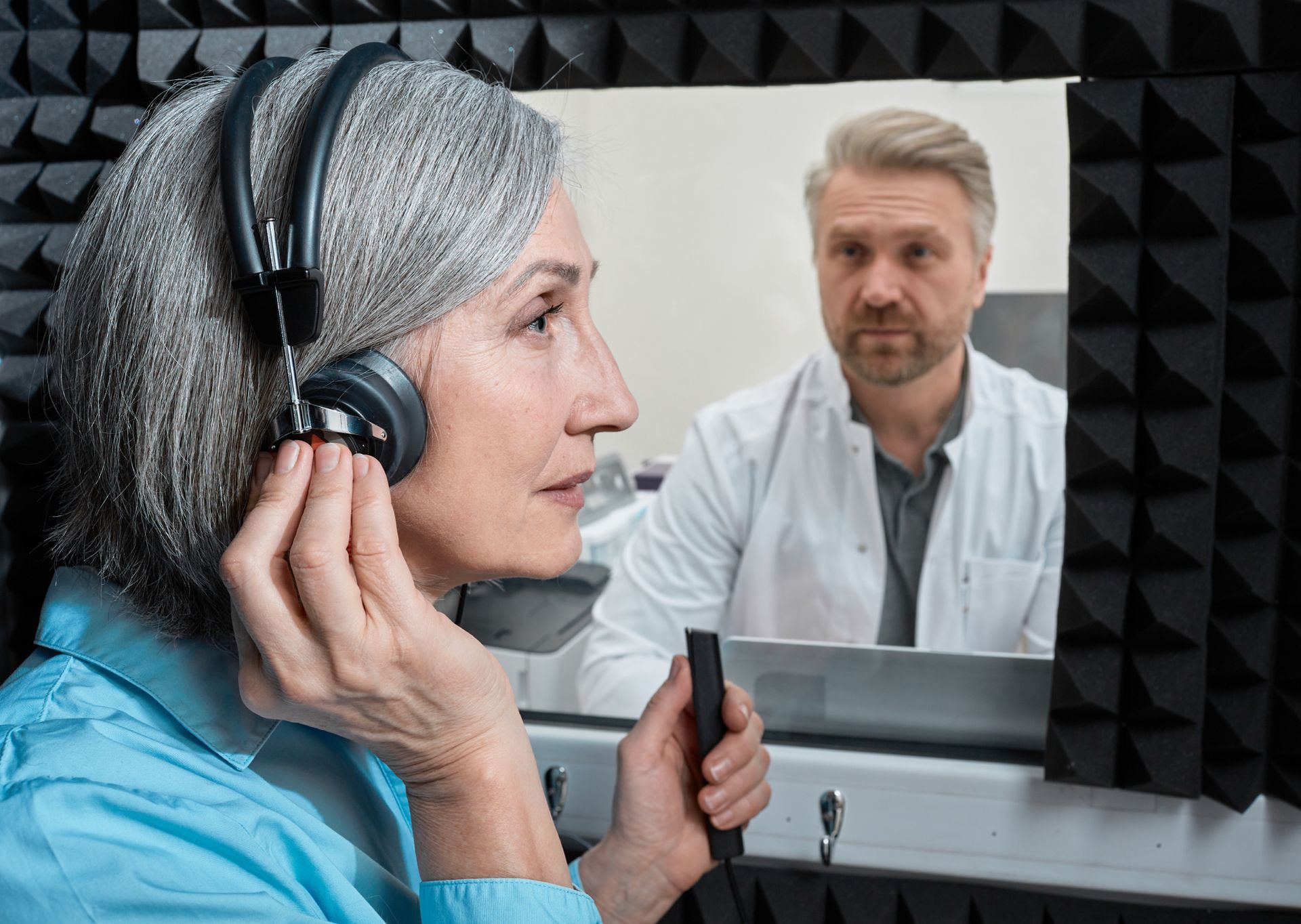
A “hearing test” done through OTC devices or consumer earbuds is not a replacement for a diagnostic evaluation done with a professionally built, calibrated sound booth and a medical-grade audiometer.
App-based screening can still have value. It might prompt someone to act, and it can flag possible hearing loss. But it cannot look in the ear, catch referral concerns, verify what sound is actually reaching the eardrum, or guide someone through the communication shifts that often come with hearing loss.
Also, OTC hearing aids aren’t meant for every type of hearing loss.
Canadian guidance regularly frames them as a possible option only for adults with perceived mild to moderate difficulty and no red-flag symptoms. They’re not appropriate for children, and they’re a poor choice for the following:
- Sudden hearing changes
- One-sided loss
- Ear pain
- Drainage
- Dizziness
- Active ear disease
- Complex tinnitus issues
- Cases where speech understanding is unusually weak
What’s happening in the Canadian market?
Canada’s market is moving, but it isn’t just copying the U.S. approach. Speech-Language & Audiology Canada supports improving access for adults with mild to moderate hearing loss, while stressing regulation, public education, and clinical support.
The Canadian Academy of Audiology takes a similar view:
some adults could benefit from OTC devices, but professional assessment and clearer labels still matter, especially because sound-producing products can create unsafe exposure levels when they’re mismatched or used incorrectly.
Just because something is available doesn’t mean it’s right for you. A federally licensed product can be legal to sell and still be a poor match for a person’s ear, hearing profile, everyday listening settings, or communication goals.
Audiologists help separate
“I can buy it” from
“it fits my needs.”
What’s happened in the U.S. market?
The U.S. experience is also a reminder that regulatory permission doesn’t automatically translate into broad adoption. Since 2022, OTC uptake has been modest. ASHA polling one year after the launch found that 2% of U.S. adults aged 40+ with hearing difficulties had bought OTC hearing aids, and only 4% said they were likely to buy them in the following year.
Later, the U.S. Government Accountability Office reported that
early research suggests OTC devices can help some adults with mild to moderate hearing loss, but it was still too early to know whether the rule has meaningfully improved access. Barriers have stuck around: cost, the challenge of judging your own hearing loss, confusion about options, and the absence of professional guidance.
Returns are another signal worth watching. Industry reporting cited by the Wall Street Journal described
OTC return rates around 15% to 30%, compared with roughly 6% to 10% for prescription hearing aids, and at least one retailer reported returns as high as 40%. Those numbers need caution because policies, device quality, price points, and customer support can vary quite a bit.
Without assessment, verification, counselling, and follow-up, many users decide the product “doesn’t work,” when the real issue is candidacy, fit, programming, comfort, or expectations that were never realistic to begin with.
Why professional fitting still matters
The clearest case for audiology-led care is outcome quality. A well-fitting hearing aid should be based on a person’s thresholds, ear acoustics, comfort limits, speech goals, listening environments, dexterity, cognitive load, and priorities.
In best-practice clinics like Audiology First, fitting is confirmed using real-ear measurement, checking what sound is delivered in the ear canal against prescribed targets. Without verification, it’s all guesswork. With self-fitting devices, the user often can’t tell whether soft speech is actually audible, loud sounds are safe, or noise settings make sense.
Follow-up is part of the treatment, too. Most new users need time and guidance to adapt.
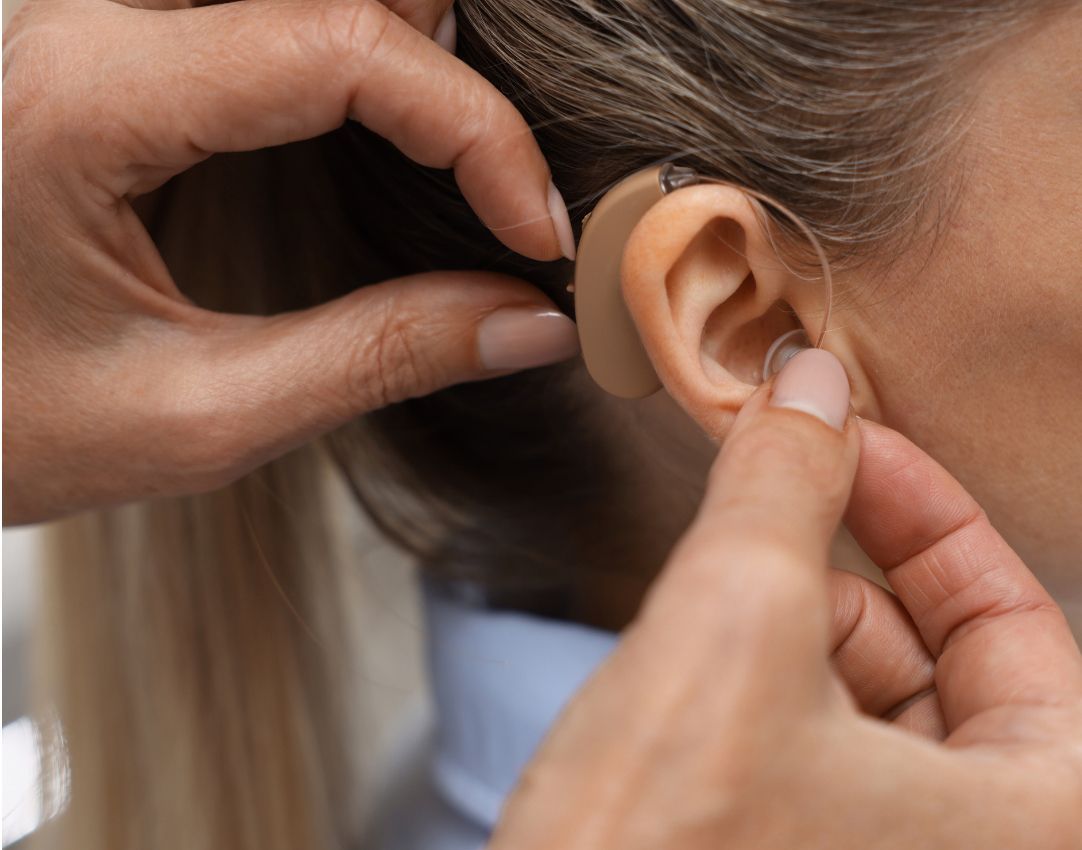
Counselling, fine-tuning, receiver or dome adjustments, wax management, repairs, communication strategies, and expectations all play a role. If someone returns an OTC device, that doesn’t mean they “failed” at using hearing aids, it often means they never got the assessment, verification, adjustment, and support that make hearing aids actually work.
Where OTC devices may fit
For some adults, mild and uncomplicated hearing difficulty, a well-regulated OTC option might help. Lower-cost entry points might also encourage earlier action, as long as people understand self-directed devices are often a starting point, not a stand-in for clinical assessment when symptoms, listening needs, or outcomes are more complicated.
The real issue is triage and support. In Alberta and across Canada,
people who suspect hearing loss are encouraged to get a comprehensive test so the degree, type, and likely cause can be identified.
The bottom line
Big tech will keep adding hearing features to consumer products, and some tools will be genuinely helpful. But in Canada, hearing care still sits at the intersection of federal device licensing and provincial health-profession rules. The ear is part of the body, hearing loss has many causes, and better results depend on assessment, counselling, verification, and follow-up.
OTC hearing aids might improve access for a limited group of Canadian adults with mild to moderate hearing difficulty. They should not be sold or understood as a replacement for audiology-led care.
If you’re looking for a partner for your hearing-related health,
book an appointment with Audiology First today!