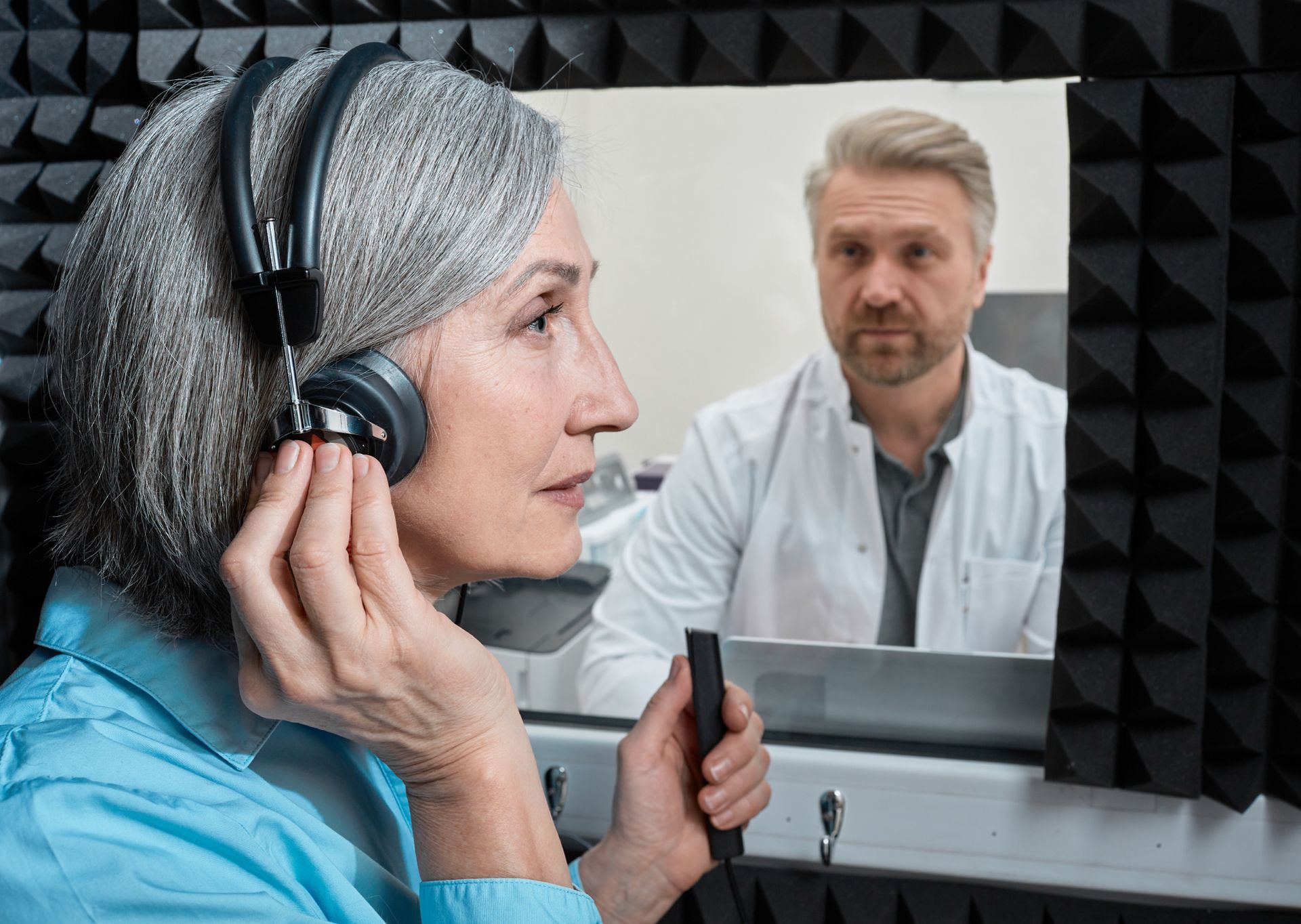
Beyond the Ears: How Hearing Health Impacts Your Overall Well-being

We’ve all been there…leaning in a little closer at a noisy dinner table, or smiling and nodding when you actually couldn’t hear what was said. It’s easy to think of hearing changes as a simple volume problem that can be managed by just turning up the TV. In reality, our hearing is more integral; it’s part of how we connect, think, and move through our daily lives.


The team at Audiology First has a saying, that hearing care is brain care. Because hearing is part of your whole-person health, it is deeply tied to your confidence, your communication, and your long-term quality of life. 


Let’s explore this a little more and show you exactly why that is.


Your Brain Works Harder When Hearing is Harder

When your hearing isn’t quite what it should be, the brain has to work overtime in order to compensate. Instead of easily processing a clear sound, it has to spend a significant amount of effort to decipher something it could just barely make out. It’s like trying to read a book with every third word missing! You’ll figure it out, your brain will fill in the gaps, but it takes a lot more concentration.


Your brain is already the master of energy consumption. In fact,
up to 20% of the calories used to maintain your body are used by the brain, despite it being only 2% of your body weight! When you feel exhausted after a long day of socializing, even though you didn’t do much physical activity, this is why!


What does this mean in relation to hearing problems? Well, resources that would’ve otherwise been used on memory, focus, and following the nuances of conversation are going to be used up by this extra strain.


We often blame ourselves for being tired at the end of a day, but we don’t often consider the massive cognitive load that we have to manage throughout it. This becomes even more poignant for someone with hearing troubles.


The Link Between Hearing and Cognition

You may have seen different news items connecting hearing loss to cognitive decline. As audiologists, we want to make sure the wording around this is clear and evidence-based: we don’t say hearing loss causes dementia, but research has shown that untreated hearing loss is associated with an increased risk of dementia.


An
interesting study from Johns Hopkins Medicine found that this increased risk exists across mild, moderate, and severe levels of hearing loss. Understanding this connection isn't meant to cause fear; rather, it highlights why being proactive about your hearing is such a vital part of protecting your long-term brain health.


The Mental and Emotional Side of Hearing Health

Hearing isn’t just biological, it’s also emotional. Struggling to communicate or understand the communication of others can often lead to cycles of frustration, stress, and even embarrassment. These are common scenarios people with hearing trouble will find themselves in:


  • Avoiding their favourite places because the background noise is too overwhelming
  • “Listening fatigue”, where you feel mentally drained after group interactions
  • Repeating the word “what?” so much that you eventually stop asking, even if you don’t fully understand


Understanding the above helps us get a clearer picture for how connected our hearing is to the rest of our day-to-day activities.


Social Engagement and the "Hidden" Withdrawal

When communication changes, our social environment changes


And it’s not something that happens overnight.


Social withdrawal, for example, is usually a gradual process where a person starts to behave in a way that excludes them from normal happenings among friends, family, and even their intimate partner. 


This is an extremely important topic, because social isolation may be one of the pathways through which hearing difficulties influence broader cognitive outcomes. While the exact link can be hard to pinpoint, what we know for sure is that staying socially active is a meaningful way to support your brain. We’re humans, and we all need connection and interaction.


Why Early Attention Matters

If we can address changes in your hearing early, we’re able to formulate a road map that is both clear and empowering. The longer we wait, the more complicated things tend to be. At Audiology First, we believe hearing care is about more than just devices. Our model focuses on:


  • Evidence-based diagnostics to understand the why behind your hearing changes
  • Comprehensive counseling and education for you and your family
  • Rehabilitation-oriented care that supports you long after your first appointment

We’re a team, and we’re with you for the long-term!


What a Holistic Hearing Assessment Reveals

A comprehensive hearing evaluation is more than just a pass or fail-type screening. We explore the specific causes of your hearing loss, how it is likely to progress, how it impacts you as an individual, and (most importantly) how we can address it to start improving your quality of life today.


What a Holistic Hearing Assessment Can Help You Understand

When we look at hearing health holistically, we see how it supports every part of your well-being:


  • Cognition: It reduces cognitive load and supports how your brain manages resources.
  • Mental Well-being: It reduces the frustration, fatigue, and stress associated with “missed” communication.
  • Communication: It enhances your ability to follow fast-paced or group conversations.
  • Social Connection: It helps prevent isolation by making social environments enjoyable again.

Caring for your hearing is a fundamental part of caring for the whole person. It supports your connection to others, your confidence in social settings, your cognition, and your overall quality of life.


If you or a loved one have noticed changes in your hearing, conversation effort, or social engagement, we are here to provide clarity and encouragement. 

Book a comprehensive hearing assessment with Audiology First today to take a proactive step toward your long-term health well-being!

Close-up profile of an older man with grey hair, representing the future of audio streaming.
March 27, 2026
Discover how Auracast™ broadcast audio is revolutionizing hearing aids. Learn about this new Bluetooth technology and its benefits for public spaces.
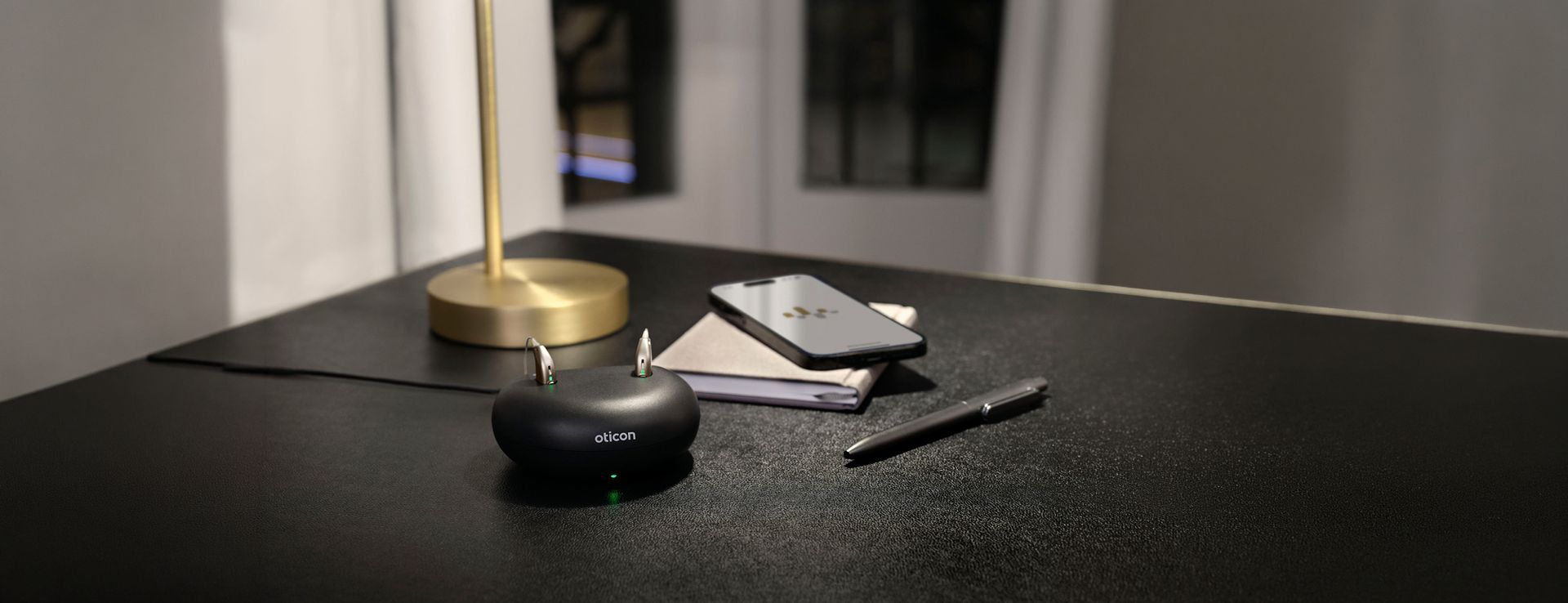
Oticon hearing aids charging in a wireless charger on a desk beside a smartphone
February 27, 2026
Discover how AI-powered hearing aids are transforming sound quality, health monitoring, and personalization. Learn what's new in 2026.
Person outdoors, wearing earbuds, holding phone, blue shirt, looking upward.
January 30, 2026
Learn how earbuds cause permanent hearing damage. Discover 5 safe listening tips including the 60/60 rule and warning signs to protect your hearing.
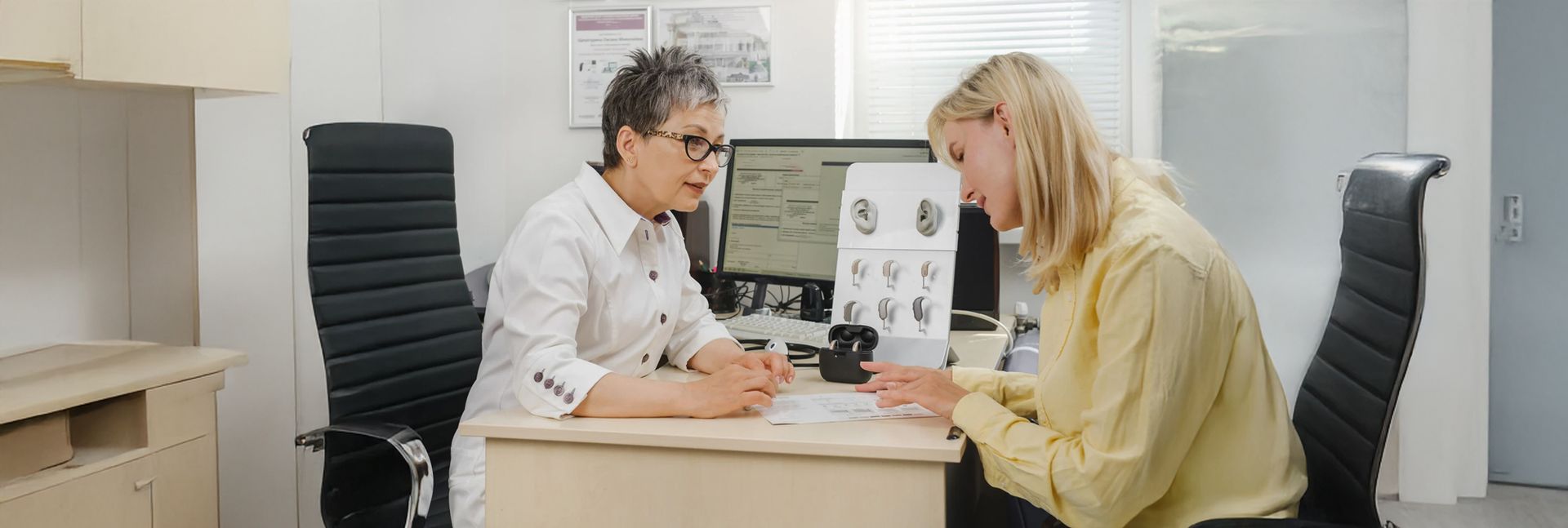
Audiologist consulting with patient about hearing aids in professional office setting
December 23, 2025
Our guide helps you choose the best hearing aids in Canada. Learn about styles, features, costs, and funding to find the perfect match for your lifestyle and budget.
Woman undergoing comprehensive hearing test with audiologist in soundproof booth wearing headphones.
November 28, 2025
Discover how regular hearing tests, including speech-in-noise testing, prevent long-term hearing damage. Expert audiological care from Audiology First.
Mature couple conversing confidently in noisy restaurant with Oticon hearing aids
October 31, 2025
Learn how hearing loss leads to social isolation and proven strategies to stay connected. Expert communication tips, treatment options & support in Lethbridge.
October 3, 2025
When it comes to audiology, there’s only one true emergency: sudden sensorineural hearing loss (SSNHL) . Unlike gradual hearing loss that develops over years, SSNHL appears abruptly and requires immediate medical attention. Audiology First specializes in rapid emergency hearing care, with diagnostic protocols and treatment pathways designed to act fast when every hour matters. Quick intervention can mean the difference between full recovery and permanent hearing damage. Let’s learn how to recognize warning signs and understand what a treatment plan would look like. Understanding Sudden Sensorineural Hearing Loss Definition and Criteria To an Audiologist, sudden sensorineural hearing loss is defined as a 30+ dB hearing loss (which in layman's terms would be a very noticeable change) across three different pitches of hearing within 72 hours. For it to be a true sudden sensorineural loss, it cannot be related to anything else, like wax blockage, fluid buildup or a blockage. It happens without warning and is often mistaken for a minor issue like earwax buildup or fluid in the ear, but the stakes are often much higher. Prevalence and Demographics SSNHL affects about 5 to 20 per 100,000 people annually , with thousands of cases reported across Canada. While it can strike at any age, adults in their 40s and 50s are more commonly affected. Unilateral vs. Bilateral Most cases are unilateral (one ear), but in rare circumstances, hearing loss can affect both ears. Bilateral cases are especially urgent and may point to underlying systemic or autoimmune conditions. Associated Symptoms Patients often experience additional warning signs such as tinnitus (ringing in the ears), dizziness, or a sensation of fullness in the affected ear. Audiology First’s Emergency Assessment Our clinic prioritizes same-day evaluations , including audiometric testing and immediate physician referral when needed. By identifying SSNHL quickly, we aim to maximize the window for effective treatment and recovery. Remember that hearing care centers like Audiology First cannot treat sudden loss, but play a role in identifying it. If you cannot see an audiologist or another trained hearing care professional right away, you should not delay seeking medical help from a physician. If same day testing is not available, you should continue to seek help as a matter of urgency. We recommend using one or more of the following resources: Call Alberta Healthlink on 311 Visit an Urgent Care center Visit your local Emergency Room or Call a local Ear Nose and Throat specialist’s office Recognizing the Warning Signs  Immediate Symptoms The hallmark sign is sudden hearing loss in one ear , which may feel like muffled sounds or difficulty understanding speech. Secondary Indicators Other red flags include persistent tinnitus, balance issues, and ear pressure that can accompany the hearing loss. When to Seek Emergency Care Time is of the essence. Some research shows that treatment is most effective when started within the first 72 hours . While some people’s hearing may recover spontaneously with or without treatment, delaying medical attention can lead to permanent hearing impairment . In some cases, hearing does not recover, even with prompt treatment. If you are experiencing dizziness at the same time as a hearing loss, do not drive yourself to seek help, but consider getting someone to drive you to any immediate appointments. Self-Assessment Techniques At home, a simple test is to cover one ear at a time when listening to a familiar sound (such as your phone or TV). If one side sounds significantly quieter or distorted, it’s an urgent signal to seek help. If you are a hearing aid user, it is important to check that your hearing aid is not blocked or malfunctioning in some way, giving the appearance of a sudden change in hearing. Treatment Options and Protocols Audiologists and Hearing Care Professionals cannot prescribe medications, but these are some of the options offered to people with sudden loss when they visit a medical professional. Corticosteroid Therapy The primary treatment for SSNHL is corticosteroids, delivered either orally or through intratympanic injections. These reduce inflammation and improve the likelihood of hearing recovery. Prednisone is often prescribed. Treatment Timing Prompt treatment is crucial. Patients who start therapy within 14 days of onset have significantly better outcomes. Hyperbaric Oxygen Therapy For patients who don’t respond to steroids, hyperbaric oxygen therapy can serve as a salvage treatment, improving oxygen delivery to the inner ear. Supportive Care Managing related issues like tinnitus or dizziness may require additional therapies, including hearing aids or vestibular rehabilitation. Audiology First’s Treatment Approach We have a great relationship with the local ENT specialists, and coordinate all aspects of care with them to ensure each patient has access to the best possible recovery options. Recovery and Rehabilitation Recovery Timelines: Recovery can range from a few days to several months, depending on the severity and speed of treatment. Some patients regain full hearing, while others experience only partial improvement. Hearing Aid Considerations: For those with lasting deficits, modern hearing aids can provide amplification and restore communication confidence. Tinnitus Management: Persistent ringing in the ears is often a consequence of hearing loss that can be managed through sound therapy, well fitted hearing aids, counseling, and tinnitus retraining techniques. Follow-up Care: You should return to the clinic for a series of routine follow up tests over the weeks and months following a sudden hearing loss. This allows us to measure whether treatments have been successful, and to treat any residual hearing loss. Audiology First’s Rehabilitation Services For those who need it, Our team provides comprehensive recovery support, including custom hearing aid fittings, counseling, and personalized rehabilitation plans. Prevention and Risk Factors Known Risk Factors Sudden Sensorineural Hearing Loss has been linked to the following: Viral infections Autoimmune disorders Circulatory problems Certain medications Age-related vulnerabilities Protective Measures Protecting your hearing from loud noise, avoiding ototoxic medications when possible, and treating systemic health issues can lower risk. Early Detection Baseline hearing tests and regular audiology check-ups can help detect changes early and establish a benchmark for comparison. Lifestyle Factors It is difficult to note which factors may reduce the risk of sudden sensorineural hearing loss, but a healthy lifestyle—including balanced nutrition, exercise, and cardiovascular health—supports long-term hearing preservation. Audiology First’s Prevention Programs We provide preventive screenings, personalized risk assessments, and educational resources so patients can take proactive steps toward protecting their hearing health. Sudden Sensorineural Hearing Loss is not a typical hearing problem…it’s a medical emergency. If you or someone you know experiences sudden hearing loss, don’t wait, contact Audiology First immediately during business hours, or contact any other trusted hearing care clinic. If you cannot reach us, please seek immediate medical attention. Book your hearing evaluation today and take the first proactive step in protecting your long-term hearing health.
September 2, 2025
Compare disposable and custom ear plugs with expert guidance from Canadian audiologists. Find the perfect hearing protection for your lifestyle and needs.
Detailed human ear anatomy model held by audiologist at Audiology First clinic.
August 15, 2025
Confused about hearing loss healthcare providers? Learn when to see an audiologist, ENT, or family doctor. Free hearing tests in Lethbridge, Alberta.
Woman holding a modern hearing aid, showcasing advanced hearing solutions from Audiology First.
July 3, 2025
Keep your hearing aids optimal! Discover essential maintenance tips: daily care, cleaning techniques, and professional support for clear sound & longevity.