Are Your Earbuds Damaging Your Hearing? | What You Need to Know About Safe Listening

Walk through your local downtown, step onto a transit bus, or visit any gym, and you’ll see one thing in common: almost everyone is wearing earbuds. Staying “connected” is the name of the game these days. People have a hard time passing up any opportunity to plug in and tune out.

But there is a hidden cost to this constant connection.


The World Health Organization (WHO) reports that over 1.1 billion young people worldwide are at risk of permanent hearing loss due to unsafe listening practices.

Audiology First has a mission that goes beyond selling hearing aids. We are dedicated to proactive hearing care and brain health. Understanding the impact of your daily habits is the first step in preserving your ability to connect with the world around you.


The Science of Sound: How Loud Is Too Loud?

To understand the risk, we have to look inside the ear.


Your inner ear contains thousands of tiny, delicate sensory cells called hair cells. These cells convert sound vibrations into electrical signals that your brain interprets as music or speech.


When you blast music through earbuds, these hair cells get overworked or even permanently damaged. Think of it like walking on a patch of grass: a few footsteps won’t hurt, but if a thousand people walk over it every day, the grass eventually flattens and dies.


Unlike grass, these hair cells do not grow back.


Demystifying Decibels (dB)

Sound is measured in decibels (dB). Because the decibel scale is logarithmic, a small increase in number represents a massive increase in physical pressure on your eardrum.


From a practical standpoint:

  • The louder the sound, the shorter the time it takes to cause damage.
  • In many Canadian safety models, the safe exposure time halves with every 3 dB increase.


In other words, what feels like a small volume bump can drastically increase your risk.


The Earbud Factor

Earbuds are particularly risky because they sit directly inside the ear canal, much closer to the eardrum than traditional over-ear headphones.

This concentrates sound at damaging levels very quickly. Add background noise (traffic, wind, gym music), and people often turn the volume up even more—sometimes without realizing how loud it has become.


Typical earbuds can reach:

  • 85–110 dBA at high volumes
  • Some models up to 120 dBA


At these levels, hearing damage can occur in minutes, not hours.


Are You at Risk? The Canadian Context

This isn’t just a global issue.


According to the Government of Canada, approximately 19% of Canadian adults already have some form of hearing loss, and many are unaware of it.


Among younger Canadians, the trend is especially concerning. It’s common to see teens listening at volumes so loud that others can hear their music—levels that are often sufficient to cause long-term damage.


Your Guide to Safe Listening: 5 Actionable Tips

Protecting your hearing doesn’t mean giving up music. It just means listening smarter.


1. Follow the 60/60 Rule

Listen at no more than 60% of maximum volume for 60 minutes at a time.


2. Limit the Level

Most smartphones include safety features. On iPhone:

  • Settings → Sounds & Haptics → Headphone Safety → Reduce Loud Audio
  • Set a hard limit around 75–80 dBA.


3. Choose the Right Gear

Noise-cancelling headphones reduce background noise so you don’t need to crank the volume.


4. Give Your Ears a Break

After an hour of listening, take at least 10 minutes of quiet time.


5. Recognize the Warning Signs

Early symptoms include:

  • Tinnitus: ringing or buzzing
  • Muffled hearing: feeling like cotton in your ears
  • High-pitch difficulty: trouble hearing birds or children’s voices


When to Seek Help

Hearing loss is often gradual and painless, which makes it easy to ignore.


Common signs include:

  • Frequently asking people to repeat themselves
  • Turning up TV or radio volume too high
  • Difficulty hearing in noisy environments
  • Ringing or buzzing in the ears
  • Avoiding social situations


Untreated hearing loss is linked to increased cognitive load and higher risk of dementia. Hearing care is brain care.


Final Takeaway

Keeping your ears sharp keeps your brain sharp, your relationships strong, and your quality of life intact.

Your hearing is precious—and once it’s gone, it cannot be fully restored. But small, smart changes today can protect it for decades to come.


Don’t guess about your hearing health.


Audiology First is here to be a trusted part of your total healthcare plan.
If you’re concerned,
schedule your comprehensive hearing assessment with us today.

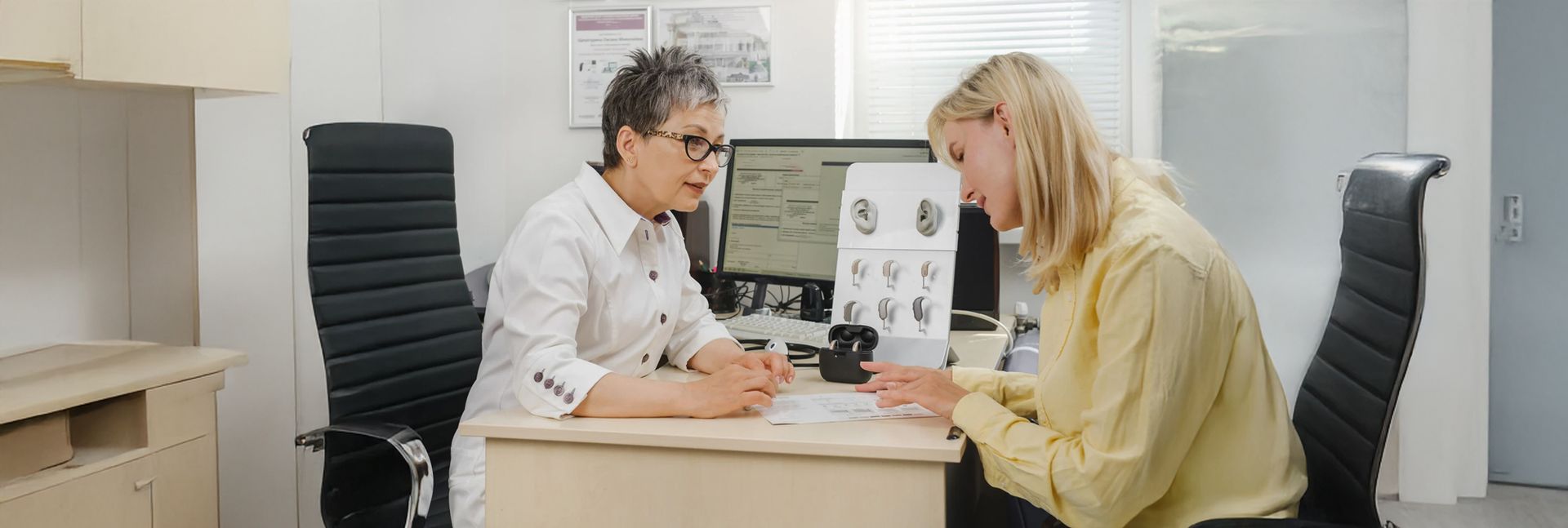
Audiologist consulting with patient about hearing aids in professional office setting
December 23, 2025
Our guide helps you choose the best hearing aids in Canada. Learn about styles, features, costs, and funding to find the perfect match for your lifestyle and budget.
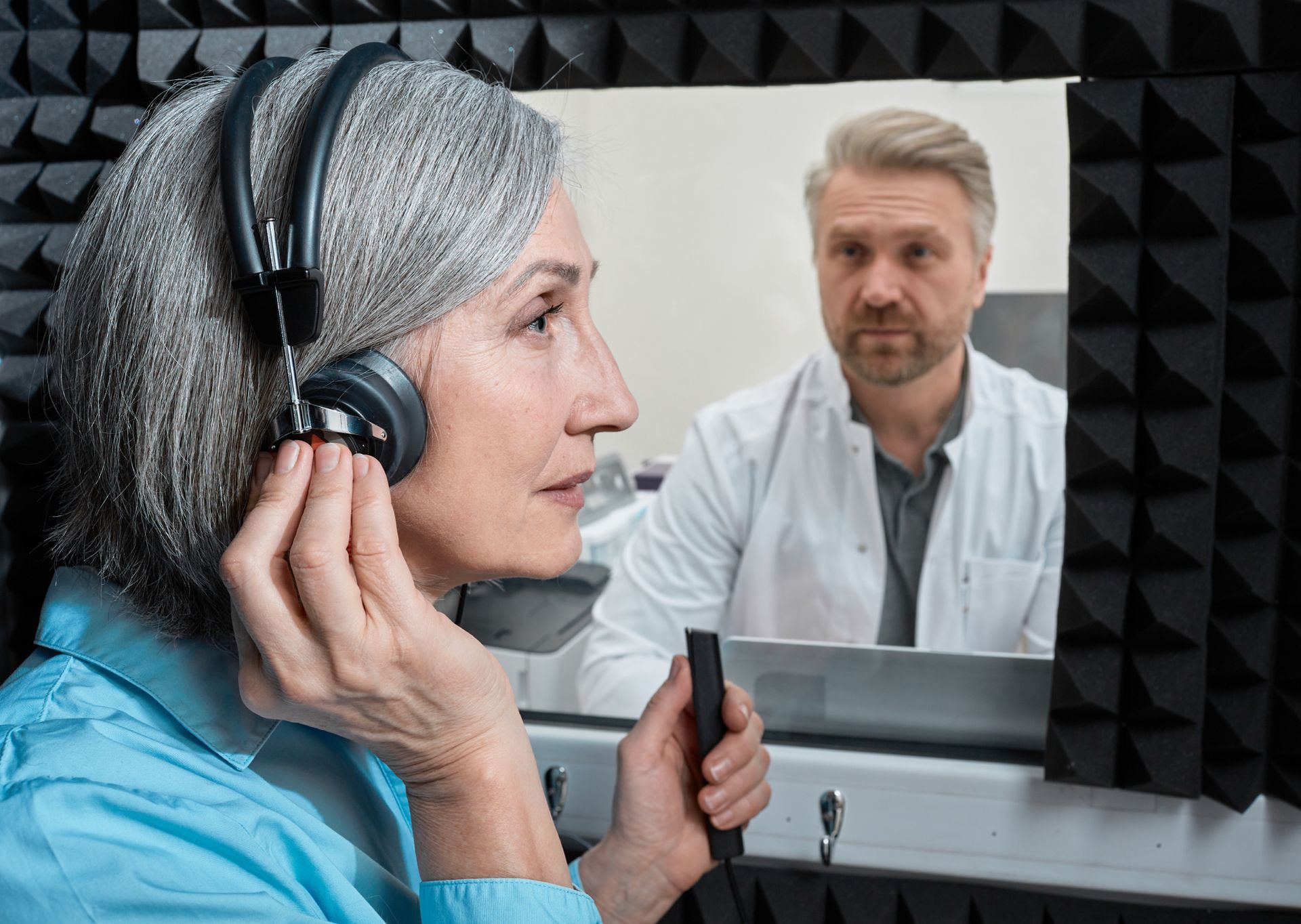
Woman undergoing comprehensive hearing test with audiologist in soundproof booth wearing headphones.
November 28, 2025
Discover how regular hearing tests, including speech-in-noise testing, prevent long-term hearing damage. Expert audiological care from Audiology First.
Mature couple conversing confidently in noisy restaurant with Oticon hearing aids
October 31, 2025
Learn how hearing loss leads to social isolation and proven strategies to stay connected. Expert communication tips, treatment options & support in Lethbridge.
October 3, 2025
When it comes to audiology, there’s only one true emergency: sudden sensorineural hearing loss (SSNHL) . Unlike gradual hearing loss that develops over years, SSNHL appears abruptly and requires immediate medical attention. Audiology First specializes in rapid emergency hearing care, with diagnostic protocols and treatment pathways designed to act fast when every hour matters. Quick intervention can mean the difference between full recovery and permanent hearing damage. Let’s learn how to recognize warning signs and understand what a treatment plan would look like. Understanding Sudden Sensorineural Hearing Loss Definition and Criteria To an Audiologist, sudden sensorineural hearing loss is defined as a 30+ dB hearing loss (which in layman's terms would be a very noticeable change) across three different pitches of hearing within 72 hours. For it to be a true sudden sensorineural loss, it cannot be related to anything else, like wax blockage, fluid buildup or a blockage. It happens without warning and is often mistaken for a minor issue like earwax buildup or fluid in the ear, but the stakes are often much higher. Prevalence and Demographics SSNHL affects about 5 to 20 per 100,000 people annually , with thousands of cases reported across Canada. While it can strike at any age, adults in their 40s and 50s are more commonly affected. Unilateral vs. Bilateral Most cases are unilateral (one ear), but in rare circumstances, hearing loss can affect both ears. Bilateral cases are especially urgent and may point to underlying systemic or autoimmune conditions. Associated Symptoms Patients often experience additional warning signs such as tinnitus (ringing in the ears), dizziness, or a sensation of fullness in the affected ear. Audiology First’s Emergency Assessment Our clinic prioritizes same-day evaluations , including audiometric testing and immediate physician referral when needed. By identifying SSNHL quickly, we aim to maximize the window for effective treatment and recovery. Remember that hearing care centers like Audiology First cannot treat sudden loss, but play a role in identifying it. If you cannot see an audiologist or another trained hearing care professional right away, you should not delay seeking medical help from a physician. If same day testing is not available, you should continue to seek help as a matter of urgency. We recommend using one or more of the following resources: Call Alberta Healthlink on 311 Visit an Urgent Care center Visit your local Emergency Room or Call a local Ear Nose and Throat specialist’s office Recognizing the Warning Signs  Immediate Symptoms The hallmark sign is sudden hearing loss in one ear , which may feel like muffled sounds or difficulty understanding speech. Secondary Indicators Other red flags include persistent tinnitus, balance issues, and ear pressure that can accompany the hearing loss. When to Seek Emergency Care Time is of the essence. Some research shows that treatment is most effective when started within the first 72 hours . While some people’s hearing may recover spontaneously with or without treatment, delaying medical attention can lead to permanent hearing impairment . In some cases, hearing does not recover, even with prompt treatment. If you are experiencing dizziness at the same time as a hearing loss, do not drive yourself to seek help, but consider getting someone to drive you to any immediate appointments. Self-Assessment Techniques At home, a simple test is to cover one ear at a time when listening to a familiar sound (such as your phone or TV). If one side sounds significantly quieter or distorted, it’s an urgent signal to seek help. If you are a hearing aid user, it is important to check that your hearing aid is not blocked or malfunctioning in some way, giving the appearance of a sudden change in hearing. Treatment Options and Protocols Audiologists and Hearing Care Professionals cannot prescribe medications, but these are some of the options offered to people with sudden loss when they visit a medical professional. Corticosteroid Therapy The primary treatment for SSNHL is corticosteroids, delivered either orally or through intratympanic injections. These reduce inflammation and improve the likelihood of hearing recovery. Prednisone is often prescribed. Treatment Timing Prompt treatment is crucial. Patients who start therapy within 14 days of onset have significantly better outcomes. Hyperbaric Oxygen Therapy For patients who don’t respond to steroids, hyperbaric oxygen therapy can serve as a salvage treatment, improving oxygen delivery to the inner ear. Supportive Care Managing related issues like tinnitus or dizziness may require additional therapies, including hearing aids or vestibular rehabilitation. Audiology First’s Treatment Approach We have a great relationship with the local ENT specialists, and coordinate all aspects of care with them to ensure each patient has access to the best possible recovery options. Recovery and Rehabilitation Recovery Timelines: Recovery can range from a few days to several months, depending on the severity and speed of treatment. Some patients regain full hearing, while others experience only partial improvement. Hearing Aid Considerations: For those with lasting deficits, modern hearing aids can provide amplification and restore communication confidence. Tinnitus Management: Persistent ringing in the ears is often a consequence of hearing loss that can be managed through sound therapy, well fitted hearing aids, counseling, and tinnitus retraining techniques. Follow-up Care: You should return to the clinic for a series of routine follow up tests over the weeks and months following a sudden hearing loss. This allows us to measure whether treatments have been successful, and to treat any residual hearing loss. Audiology First’s Rehabilitation Services For those who need it, Our team provides comprehensive recovery support, including custom hearing aid fittings, counseling, and personalized rehabilitation plans. Prevention and Risk Factors Known Risk Factors Sudden Sensorineural Hearing Loss has been linked to the following: Viral infections Autoimmune disorders Circulatory problems Certain medications Age-related vulnerabilities Protective Measures Protecting your hearing from loud noise, avoiding ototoxic medications when possible, and treating systemic health issues can lower risk. Early Detection Baseline hearing tests and regular audiology check-ups can help detect changes early and establish a benchmark for comparison. Lifestyle Factors It is difficult to note which factors may reduce the risk of sudden sensorineural hearing loss, but a healthy lifestyle—including balanced nutrition, exercise, and cardiovascular health—supports long-term hearing preservation. Audiology First’s Prevention Programs We provide preventive screenings, personalized risk assessments, and educational resources so patients can take proactive steps toward protecting their hearing health. Sudden Sensorineural Hearing Loss is not a typical hearing problem…it’s a medical emergency. If you or someone you know experiences sudden hearing loss, don’t wait, contact Audiology First immediately during business hours, or contact any other trusted hearing care clinic. If you cannot reach us, please seek immediate medical attention. Book your hearing evaluation today and take the first proactive step in protecting your long-term hearing health.
September 2, 2025
Compare disposable and custom ear plugs with expert guidance from Canadian audiologists. Find the perfect hearing protection for your lifestyle and needs.
Detailed human ear anatomy model held by audiologist at Audiology First clinic.
August 15, 2025
Confused about hearing loss healthcare providers? Learn when to see an audiologist, ENT, or family doctor. Free hearing tests in Lethbridge, Alberta.
Woman holding a modern hearing aid, showcasing advanced hearing solutions from Audiology First.
July 3, 2025
Keep your hearing aids optimal! Discover essential maintenance tips: daily care, cleaning techniques, and professional support for clear sound & longevity.
Assorted hearing protection including earmuffs and earplugs used for workplace noise reduction.
June 2, 2025
Everyday noise—whether from traffic, power tools, or concerts—can damage your hearing over time. That’s why understanding noise reduction ratings (NRR) is key to choosing the right protection.
Audiology First team member smiling and holding a hearing aid device in a bright, welcoming clinic.
April 25, 2025
Discover why hearing aid outcomes differ from person to person. Learn about key factors influencing your results and how Audiology First personalizes care.
By Glenn Hole April 9, 2025
Update on dementia and hearing loss - March 2025