Tinnitus Management in 2026: New Therapies and Technologies
Tinnitus is a common condition, and at times almost everyone will experience some form of ringing, buzzing, hissing sounds. In some people, tinnitus can become a more permanent fixture, and can even develop into a problem - however this is not the case for everyone. The majority of people with tinnitus adapt to it quite easily. A small subset of patients find it bothersome, and require help for the tinnitus itself. In 2027, there are new conversations happening around tinnitus.
You don’t just have to “live with it,”. Almost all patients with tinnitus can be helped.
Tinnitus isn’t a disease or condition of its own; in fact, tinnitus is almost always a symptom of another condition. Therapies that help usually manage the underlying causes of the tinnitus symptom.
Tinnitus care is one of our specialties here at Audiology First. We take a personalized and research-driven approach to help each unique patient receive successful care. It begins with an understanding of the underlying causes, triggers, and personal impact of the tinnitus symptom.
The Evolution of Tinnitus Care
Tinnitus treatment, historically, used to focus primarily on different masking techniques. For example, using white noise or background sounds to distract from the ringing. While sound therapy still plays an important role in treatment plans today, tinnitus management has become far more sophisticated!
It has become known that tinnitus is not a single condition, but instead exists in several subtypes, each involving different mechanisms within the auditory and nervous systems
Understanding Tinnitus Subtypes
Tinnitus, in today’s world, is commonly categorized into several overlapping forms. These include:
- Cochlear tinnitus: By far the most common form of tinnitus. This tinnitus is a direct symptom of hearing loss, and likely accounts for around 85% of tinnitus cases.
- Central tinnitus: Linked to changes in how the brain processes sound signals. Central tinnitus is rarer, and only affects around 10% of patients.
- Somatic tinnitus: Influenced by jaw, neck, muscle, or body movement issues that affect auditory pathways. This is very rare, accounting for around 5% of tinnitus cases.
These distinctions matter because the treatments that help one patient with one form of tinnitus may not necessarily help another. Patients with tinnitus connected to hearing loss may benefit significantly from hearing aid technology and sound stimulation, while someone else may require management protocols that focus on relief of muscle tension, sleep regulation, and learning how to better manage stress.
Recent research investments reflect the growing emphasis on individualized care, as well. The American Tinnitus Association has led the way, investing over $6 million in advanced tinnitus research since 1980.
We incorporate all of the latest evolving science into our patient-centred care here at Audiology First, with the goal of understanding the full picture of each patient’s experience with tinnitus.
Emerging Technologies: Bimodal Neuromodulation
In terms of technology, one of the most exciting developments in tinnitus treatment has been what’s called bimodal neuromodulation.
This emerging therapy combines two forms of stimulation at the same time:
- Auditory stimulation (through customized sound therapy)
- Mild electrical stimulation (typically delivered to the tongue)
The goal is to help retrain the brain’s auditory pathways and reduce the brain’s overactive response to tinnitus signals, thereby reducing symptoms.
How Devices Like Lenire Work
One of the most prominent examples of this technology is the Lenire Device, which received FDA De Novo (a risk-based regulatory pathway) approval in 2023. It works by pairing carefully designed sound patterns with gentle pulses delivered to the tip of the tongue (through a specialized device). It’s believed that synchronized stimulation encourages changes in the brain’s auditory processing centers.
Clinical studies
published in Nature have shown promising improvements in tinnitus severity and quality-of-life measures when sound therapy is combined with tongue stimulation.
This new technology is also symbolic of a shift away from passive coping techniques towards real-life neurological retraining. While it’s not a universal cure, it’s a hopeful signal for tinnitus research in general, indicative of its rapid progression.
The Connection Between Tinnitus & Sleep
There is a powerful connection between tinnitus and sleep.
Any tinnitus sufferer can sympathize with the fact that symptoms often feel louder at night, especially in quiet environments. There appears to be even deeper physiological links between sleep quality, nervous system regulation, and tinnitus distress.
Why Poor Sleep Can Worsen Tinnitus
Recent studies suggest that poor sleep and elevated nighttime heart rate activity may intensify how the brain perceives tinnitus. Researchers examining sleep patterns and autonomic nervous system activity found that disrupted restorative sleep may heighten the brain’s sensitivity to internal auditory signals.
Put simply, when the body remains in a heightened stress state during rest, tinnitus can feel more intrusive and emotionally exhausting. This helps explain why tinnitus is often closely tied to:
- Anxiety
- Stress
- Fatigue
- Difficulty concentrating
- Emotional burnout
CBTI and Digital Therapy Tools
Cognitive Behavioural Therapy for Insomnia (CBTI) has proven to be one of the most effective, evidence-based approaches for improving tinnitus-related sleep problems.
CBTI helps a patient change sleep habits, thought patterns, and behaviours that contribute to chronic insomnia and nighttime distress. Improving sleep quality is one of the key metrics to significantly reducing the emotional burden of tinnitus, even if the sound itself does not disappear entirely.
As we’re starting to see, tinnitus management is about more than the ears alone. The brain, nervous system, emotional health, and patterns of sleep all play important roles in symptom severity and recovery.
Personalized Tinnitus Management at Audiology First
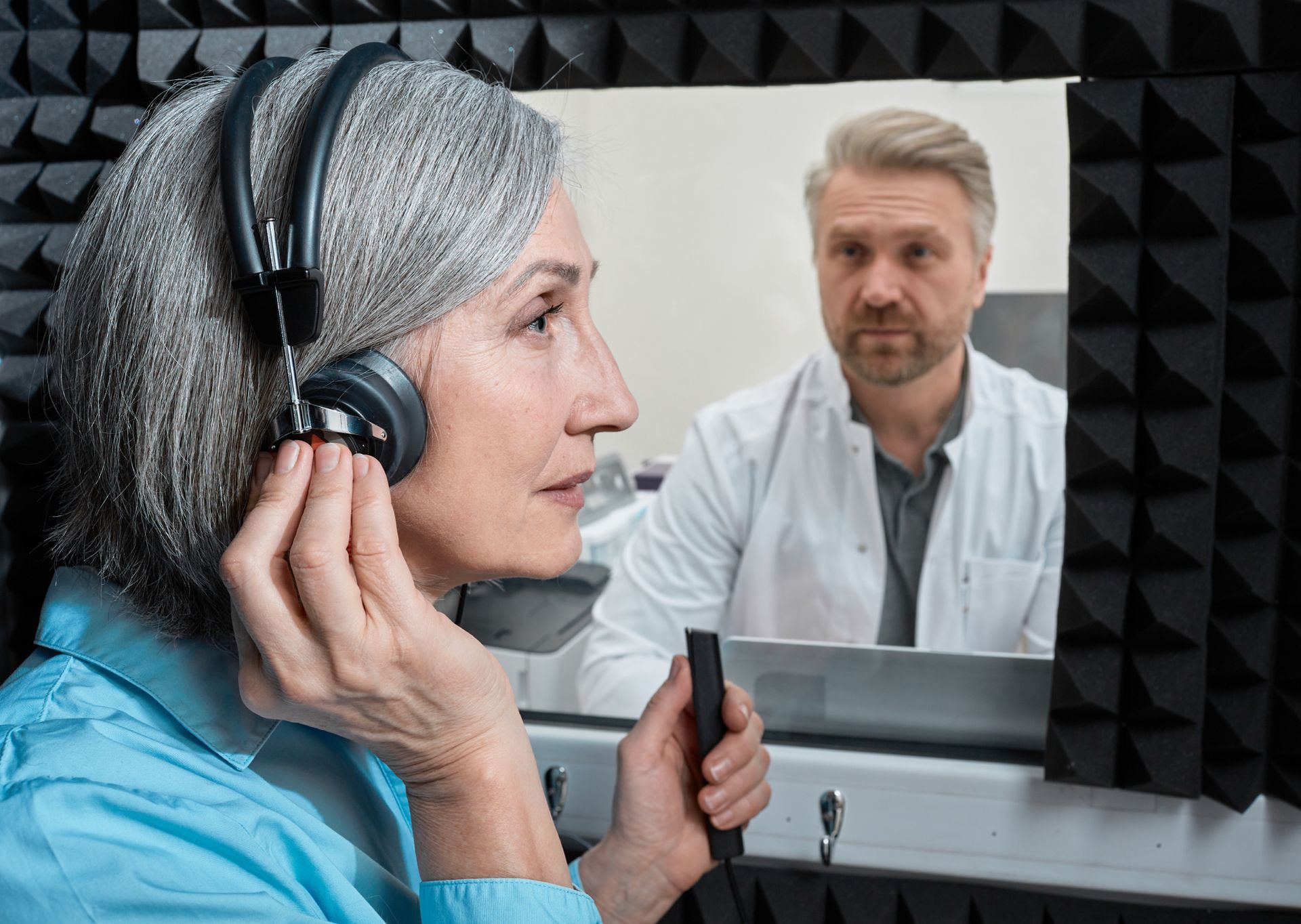
Tinnitus affects people differently. As a result, effective care requires a highly individualized approach. At Audiology First, we always begin with a comprehensive assessment that builds a holistic picture of each patient’s life. We look to understand:
- The nature and severity of tinnitus symptoms
- The fact that most people have an underlying hearing loss that contributes to tinnitus.
- Lifestyle and stress factors
- Sleep quality
- Emotional impact
- Daily functioning challenges
This allows treatment recommendations to be tailored specifically to a patient’s needs.
Comprehensive, Evidence-Based Care
Treatment plans may include:
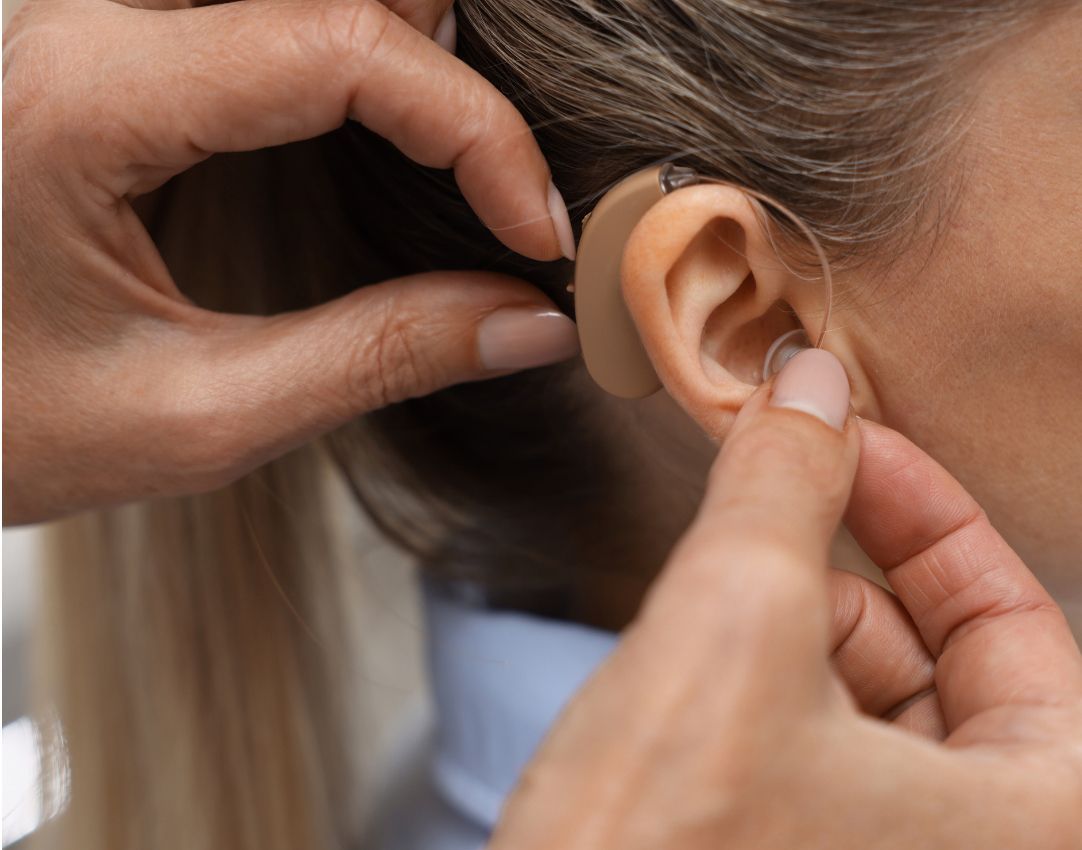
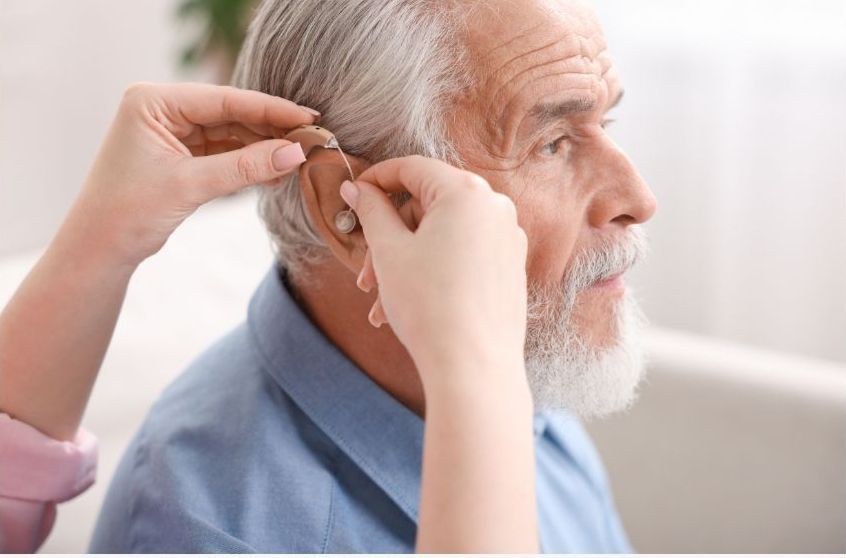
- Hearing aids to manage the hearing loss causing the tinnitus.
- Sound therapy strategies
- Tinnitus counseling and referrals to other specialities.
- Education and coping techniques
- Lifestyle recommendations
- Ongoing monitoring and support
Every patient at Audiology First will also benefit from the ongoing guidance provided by our expert Audiologists and clinical team. The goal is not to cover up tinnitus, but to reduce its impact and build effective management strategies long-term.
The Road Ahead
While tinnitus research continues to advance rapidly, patients need a team that is going to stay up-to-date on new treatments and maintenance protocols. Audiology First is a leading audiology clinic in Southern Alberta, and we’re here to help manage your tinnitus symptoms.
Schedule a comprehensive hearing and tinnitus assessment with Lethbridge’s only independent audiology clinic today.
Note that Lenire is not currently offered by Audiology First.