How to Choose the Best Hearing Aids for Your Lifestyle and Budget
Hearing health is often overlooked. That is until problems begin to interfere with daily life…
Many people delay seeing an audiologist because they assume hearing loss is a normal part of aging, or they worry that choosing hearing aids will be complicated and expensive. In reality, protecting your hearing and finding the right hearing aids should be a manageable and personalized process.
Choosing the best hearing aids for your lifestyle and budget comes down to understanding your hearing needs, how you live, and how the technology can best support you. Here’s how our approach at Audiology First can make all the difference!
Why Addressing Hearing Loss Early Matters
Hearing loss affects everyone differently and often develops slowly, making it easy to miss early warning signs. Unfortunately, untreated hearing loss can lead to more than difficulty hearing conversations. Research consistently links unmanaged hearing loss to social withdrawal, cognitive decline, increased listening fatigue, and reduced quality of life.
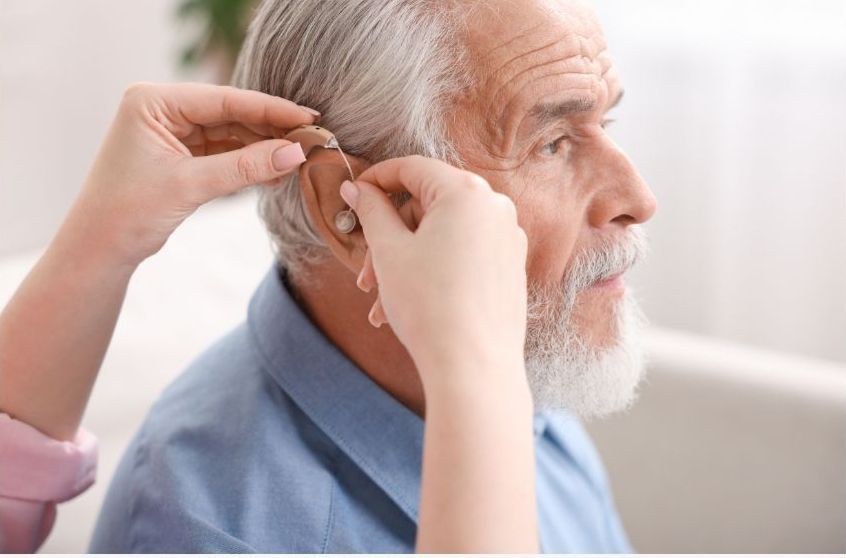
Hearing aids are not a one-size-fits-all solution…they are simply a tool. How that tool is selected, programmed, and supported over time by a qualified audiologist is where the true value lies.
Early detection of hearing loss gives audiologists the opportunity to recommend the right type of hearing aid, monitor any changes over time, and provide other relevant interventions before permanent damage progresses.
Step 1: The Hearing Test – Your Essential Starting Point
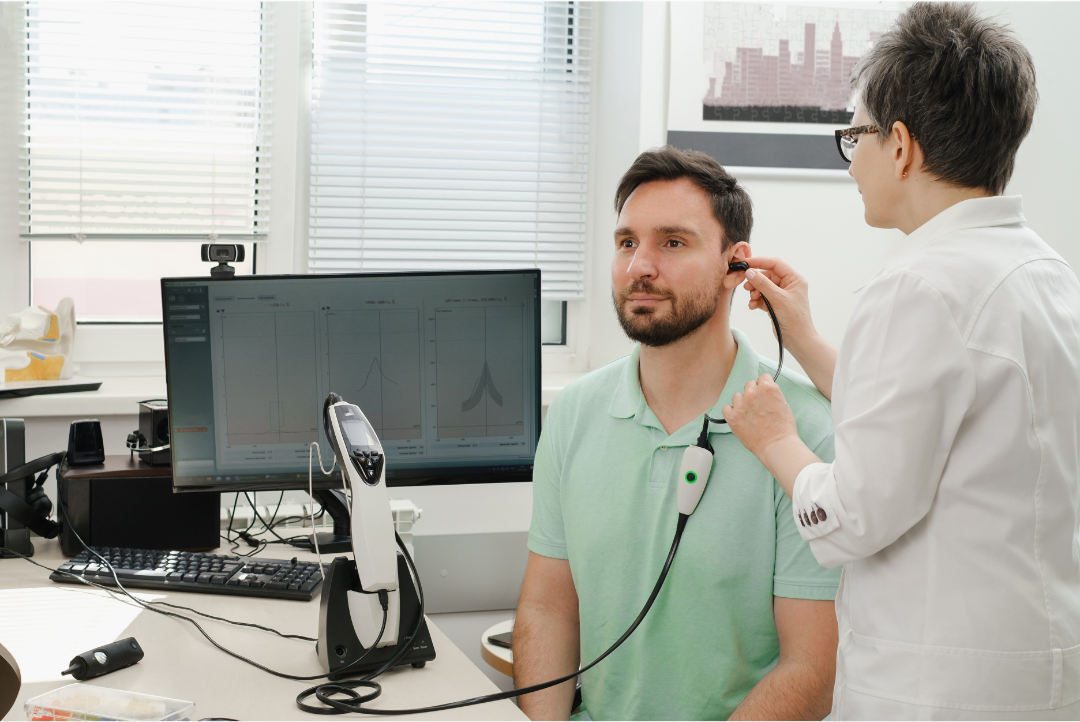
A professional hearing assessment performed by a certified audiologist is the foundation of hearing health. This isn’t something that can be accurately replaced by online screenings or self-administered tests. Audiologists, like the ones on our team here at Audiology First, are trained to provide a level of clinical expertise and precision that cannot be replicated at home.
During a comprehensive hearing test, your audiologist will:
- Review your hearing health history and lifestyle factors
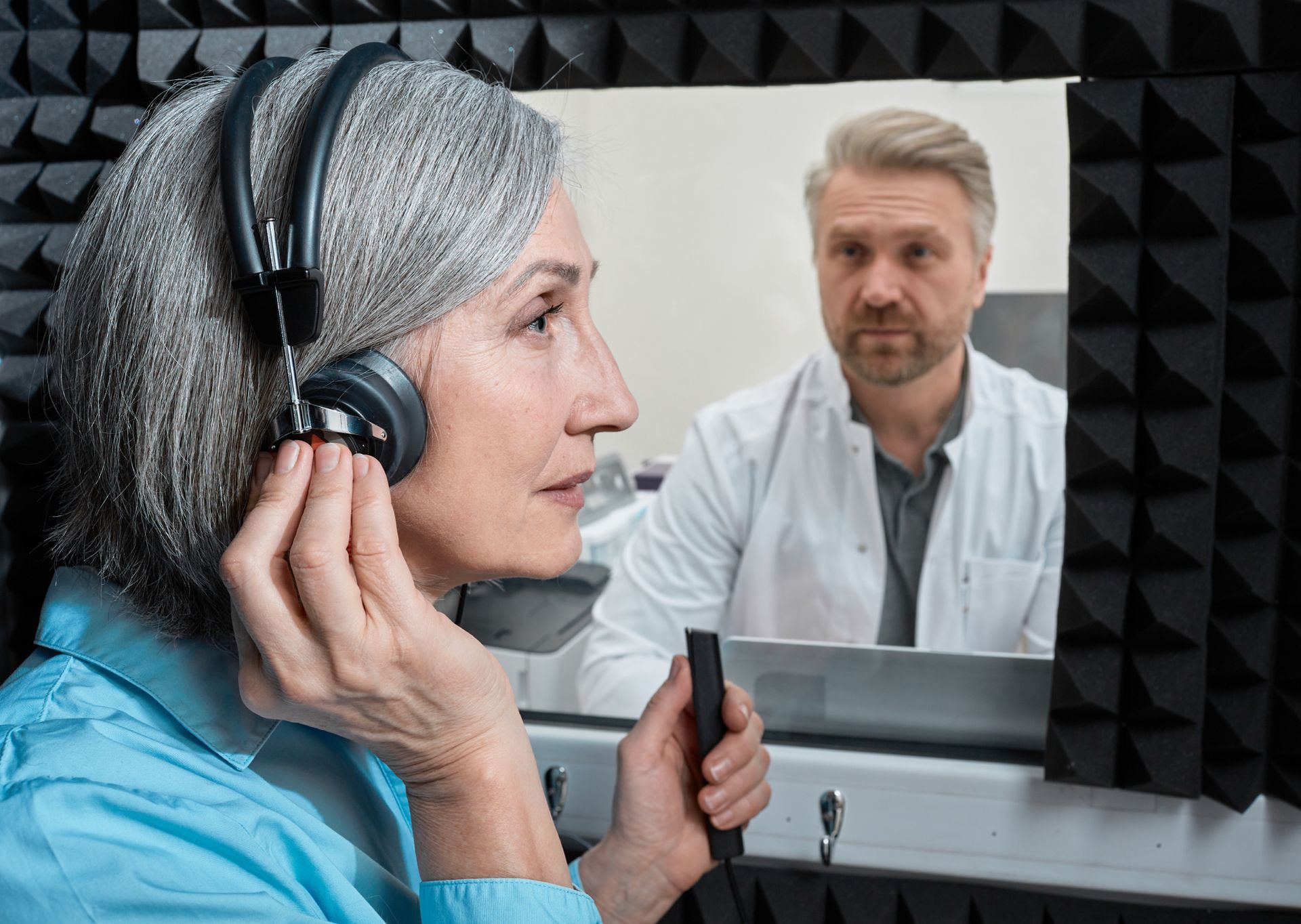
- Perform pure-tone testing to determine the softest sounds you can hear
- Assess speech understanding, often in both quiet and noisy environments
- Create an audiogram that maps your hearing ability across frequencies
These results establish a baseline that guides your audiologist towards the right hearing aid style for you. Even if your hearing is currently within a normal range, having this benchmark is essential for long-term reference and prevention. Skipping professional testing can mean choosing hearing aids that don’t fully address your real-world listening needs.
Step 2: Lifestyle Factors – How Daily Life Impacts Hearing Health
Your lifestyle plays a major role in your long-term hearing health. The right hearing aids are especially important if your day-to-day environment places extra demands on your ears.
Consider how often you are exposed to:
- Noisy workplaces or industrial environments
- Social settings like restaurants or crowded events
- Music through headphones or live performances
- Recreational activities involving engines, tools, or firearms
These things have a big influence on which hearing aids will work best for you. An audiologist can tailor testing recommendations based on these factors. For example, someone working in a loud working environment may benefit from more advanced speech-in-noise features, while someone focused on home conversations may want to prioritize comfort and simplicity.
Asking yourself how and where you listen throughout the day helps ensure your hearing care is aligned with your real-world needs, and is something your audiologist will help you to determine.
Step 3: Understanding Hearing Aid Technology and Features
Many people with early hearing damage report something along these lines: “I can hear sounds, but I can’t understand words in noisy places.” Speech-in-noise testing identifies these challenges early, and helps guide the selection of hearing aid features designed to improve clarity in real-world settings—it’s something we specialize in here at Audiology First!
Based on your results, your audiologist may recommend hearing aids with features such as:
- Directional microphones to improve speech understanding
- Noise reduction and sound processing strategies
- Bluetooth connectivity for phones and other devices
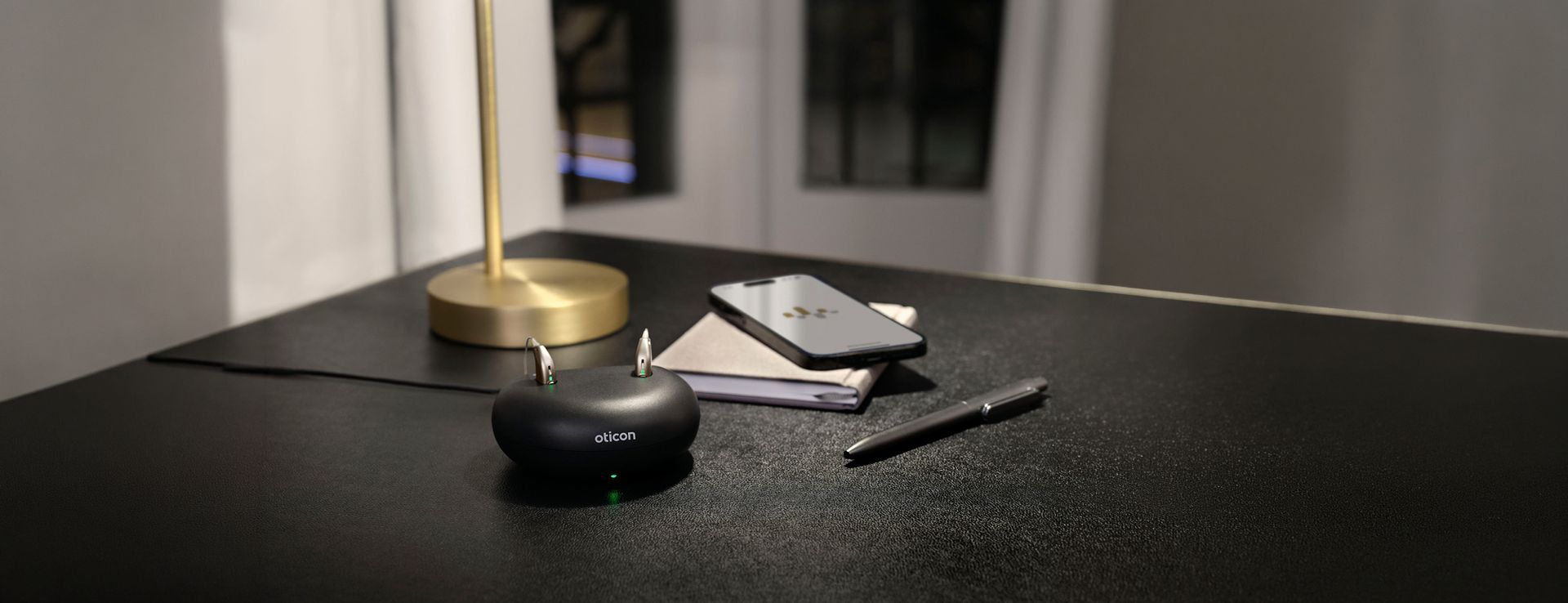
- Different technology levels/tiers that balance performance and cost
Rather than overwhelming you with options, our audiologists offer a personalized approach. We recommend features that provide real benefit based on your hearing needs and lifestyle.
Step 4: Cost, Access, and Preventative Value
In Canada, hearing tests performed by private audiology clinics are often affordable and sometimes covered through private insurance, workplace benefits, or veterans’ programs. Provincial programs may also support hearing-related care depending on your eligibility.
Hearing tests are free for everyone, and hearing aid trials are also free. You only commit to purchasing a hearing aid—or using insurance, Workers’ Compensation, Indigenous benefits, or Veterans’ benefits—once you’ve had the opportunity to determine for yourself that a hearing aid is right for you. These trial periods typically last about 30 days.
Your audiologist will help you understand the different hearing aid price ranges, funding options, and long-term value.
Protecting your hearing and choosing hearing aids is not a one-time decision, but instead an ongoing process. Regular hearing care provides the insight needed to adapt to changes over time, refine hearing aid settings, and ensure continued success.
Audiology First is your Southern Alberta partner for all things hearing health. Our expert team is here to help you with all your regular testing, prevention, and hearing aid care. Book your appointment online with us today!