The Musician’s Guide to Hearing Protection: A 2026 Update
Hearing, for most of us, is just (“just”) a sense. For musicians, though, it’s so much more. Your ears help you tune, blend, balance, mix, perform, and connect with the energy of the room. They are, in many ways, the unifying factor.
This is why hearing protection matters so much for musicians. Many performers, however, associated earplugs with muffled sound, lost dynamics, or looking “less serious”. To someone outside the industry this may sound ridiculous, but it’s true. There is a stigma that must be addressed. So let us be the first to state, these ideas are outdated.
It’s 2026, and today’s hearing protection can help reduce dangerous volume while still preserving the clarity and emotional impact of live sound.
The High Price of Loud Music: Understanding the Risks
Most people don’t encounter exceptionally high sound levels that often; musicians do. Drums, guitar, amps, stage wedges, brass sections, rehearsal rooms, clubs, and concerts can all easily exceed 100 dB.
The general safety threshold for long or repeated exposure is around 85 dB.
Above that, the louder the sound, the less time your ears can tolerate it safely.
Noise-induced hearing loss, or NIHL, happens when loud sound damages the delicate sensory hair cells in your inner ear. These cells help convert sound vibrations into signals the brain can understand. Once damaged,
they do not regenerate.
Tinnitus, often described as ringing, buzzing, or hissing, can also develop after repeated exposure to unsafe volume.
The statistics are hard to ignore.
Professional musicians are nearly
four times as likely to develop NIHL and 57% more likely to develop tinnitus than the general public.
A 2026 review also found that hearing loss affects 25.7% of musicians compared with 11.6% of non-musicians, while over 40% of musicians report tinnitus.
Foam vs. High-Fidelity: The Evolution of Earplugs
Most musicians don’t like earplugs because they’ve tried the wrong kind!
The kind of
standard foam earplugs you see on construction sites are excellent for environments just like that; high-noise and chaotic. Yard work or sleeping beside your snoring spouse, they’re a perfect solution. For music, though, they often reduce high frequencies more aggressively than lows and mids. The result can feel muddy, dull, or disconnected from the performance.
High-fidelity earplugs work differently.
Instead of simply blocking sound, they use acoustic filters to reduce volume more evenly across different frequencies. Think of them like turning down the volume instead of throwing a blanket over the speakers!
For casual concert-goers, rehearsals, and occasional performers, universal high-fidelity options can be a strong starting point. Popular choices in 2026 include Loop Experience 2 Plus, Etymotic ER20xs, and Eargasm High Fidelity.
Not sure where to start? Call Audiology First in Lethbridge for guidance on musician-friendly hearing protection options before your next rehearsal, gig, or concert.
The Gold Standard: Custom Molded Earplugs and IEMs
If you’re a professional musician, audio engineer, music teacher, or otherwise frequent performer, custom-molded hearing protection is really your best option for hearing health.
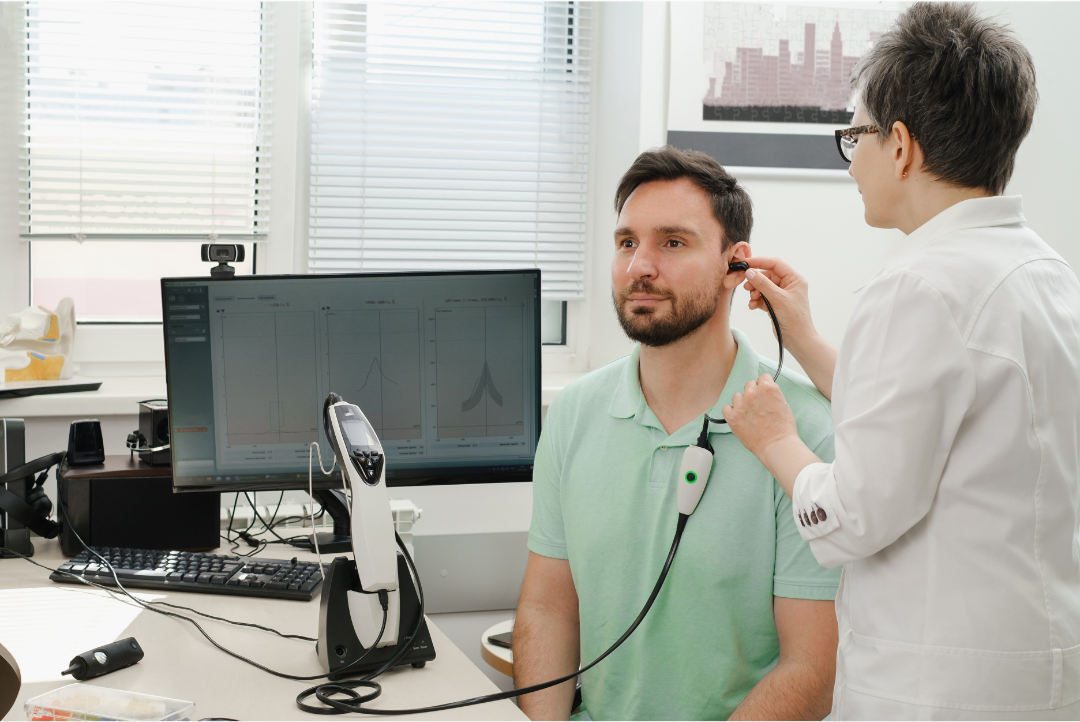
Custom earplugs begin with impressions taken at an audiology clinic. The plugs are then made to fit the exact shape of your ears. This custom fit creates a more reliable acoustic seal, improves comfort during long sessions, and helps prevent the “loose plug” problem that can reduce protection.
The biggest advantage is flexibility. Many custom musician earplugs use interchangeable filters, commonly around 9 dB, 15 dB, or 25 dB. That means a singer-songwriter in a small room, a drummer in a loud rehearsal, and a front-of-house engineer at a festival can each choose the right level of attenuation without sacrificing clarity.
In-ear monitors, or IEMs, take things a step further. Custom IEMs block damaging stage noise while delivering a controlled monitor mix directly to the performer. They allow musicians to hear what they need at a safer, more consistent volume.
Earplug Comparison Table
| Earplug Type | Noise Reduction | Sound Quality | Fit & Comfort | Best For |
|---|---|---|---|---|
| Standard Foam | High, 29-33 dB | Poor: muffled, muddy | Fair: can feel itchy or tight | Construction, sleeping |
| Universal High-Fidelity | Moderate, 15-20 dB | Good: more even reduction | Good: silicone tips | Concert-goers, rehearsals |
| Custom Molded | Variable: 9. 15.25 dB filters | Excellent: true flat attenuation | Excellent: made for your ear | Musicians, engineers |
| In-Ear Monitors | High external noise reduction | Custom monitor mix | Excellent: custom molded | Stage musicians, vocalists |
Protect Your Passion
Your hearing is irreplaceable. Do not wait until the ringing starts to take action. The right solution can help you perform, rehearse, mix, and enjoy live music with confidence.
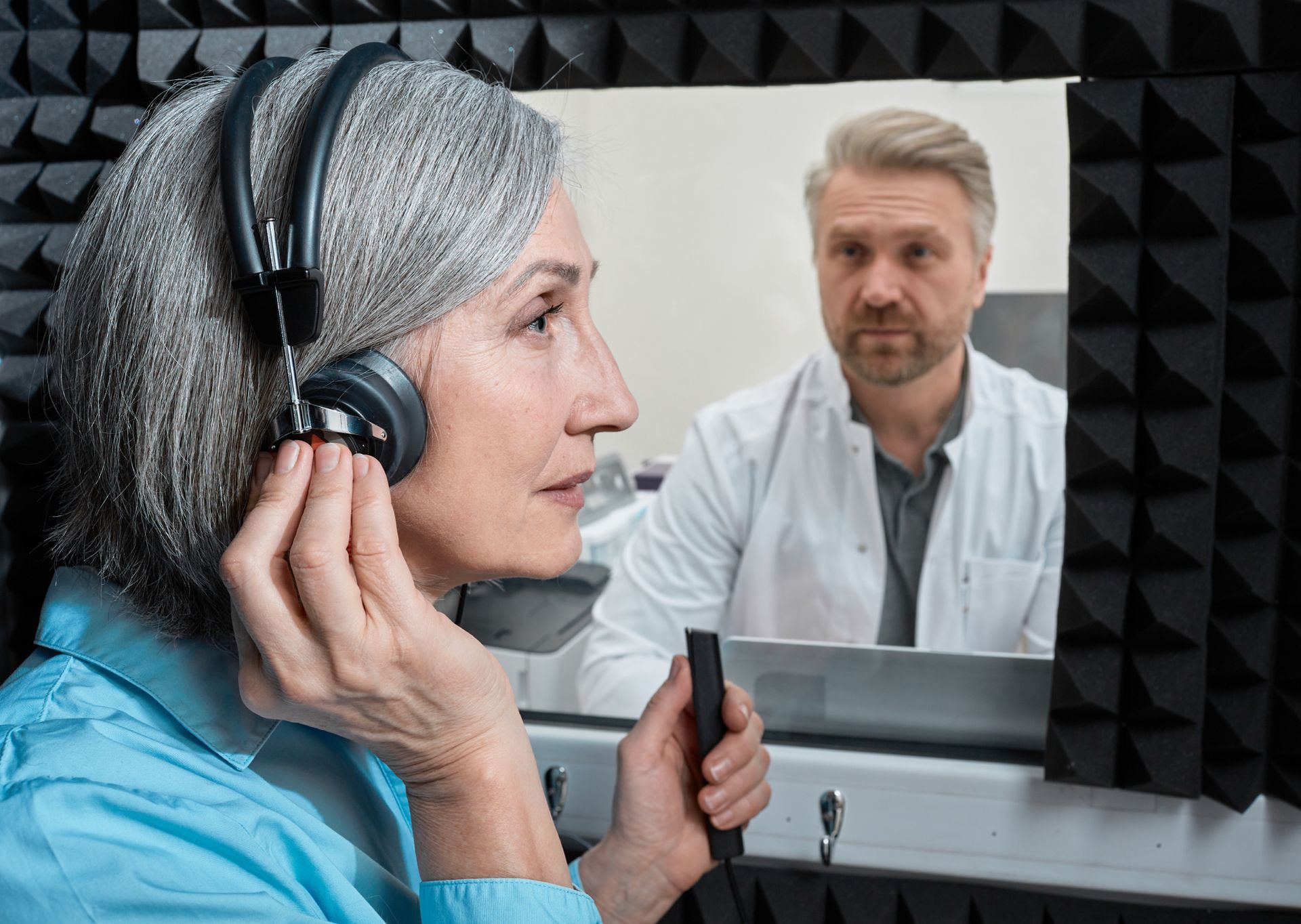
Schedule a professional consultation with Dr. Glenn Hole (Doctor of Audiology), Eric Gwilliam (Audiologist), or Joseph Tomlinson (Hearing aid Practitioner) at Audiology First in Lethbridge today. We will help you find the right custom-molded earplugs or in-ear monitors to protect your passion. Click here to book your appointment!