The Patient Journey: What to Expect During Your First Year with Hearing Aids
What should you expect during your first year with hearing aids? Most people think that’s all there is to it, but in reality, it’s just the beginning of better hearing.
Improvements in communication, relationships, and everyday experiences are some of what makes up the nuance of year one. Conversations often become easier to follow, social outings become more enjoyable, and communication in the workplace becomes less frustrating.
Adjusting to new hearing aids takes time, though. Consistent use and ongoing support are important parts of this picture.
Here is some of what you can expect in your first year.
Your First Year with Hearing Aids at a Glance
Your first year involves several important checkpoints.
| When | What to Expect or Do |
|---|---|
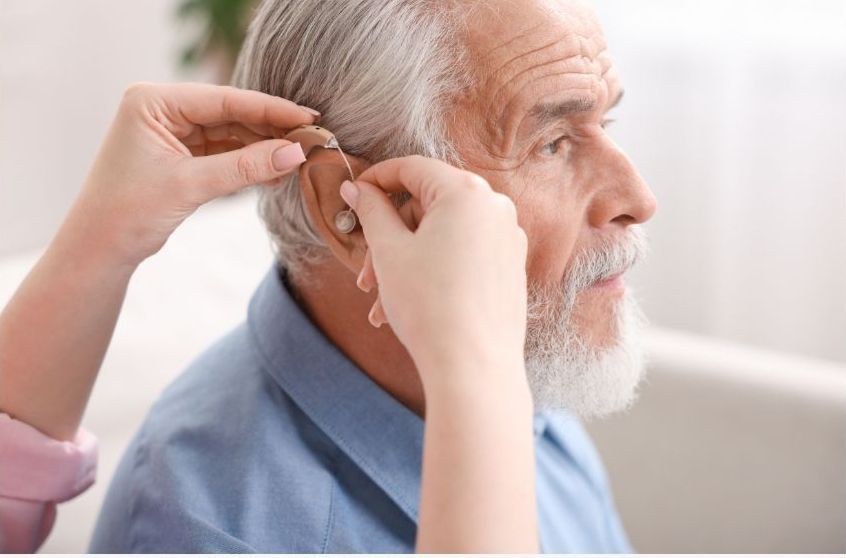
| Fitting Day Clinic visit | Your hearing aids are programmed, verified and fitted. Your clinician will ensure sound is correct for you to start getting used to the hearing aids. |
| Weeks 1 and 2
Initial adaptation to hearing aids at home. Everything sounds new and ‘busy’. My own voice sounds strange. Overall too early to evaluate the final benefit. No real adaptation yet! Keep going! |
Spend time in gradually more challenging environments — you should aim for a minimum of 8 hours of use per day. Remember that full adaptation takes around 4 weeks — keep testing the hearing aids until adaptation is complete. |
| First 2-Week Review with Clinician Clinic visit Bring notes and your spouse or main communication partner with you! | Your clinician will review your progress and make any necessary adjustments to the way the hearing aids fit, and the way they sound. |
| Weeks 3 and 4
The brain’s hearing pathways are now changing and adapting. Sounds become more natural-sounding. |
Aim for morning-to-night use. Begin adjusting the hearing aids to your own preference using the app or controls. Become familiar with cleaning and maintenance routines. |
| 4-Week Review with Clinician Clinic visit Evaluate how well your initial goals for improvement have been met. | Final check-in for a while. Adaptation should be well underway or almost complete. Purchase of the hearing aids. Discussion of long-term use. |
| Around 90 Days Self check-in
Keep using them! Reform habits to wear daily. |
Self check-in: Am I doing well with my current settings? What have I learned? Schedule a visit with the clinic if you need adjustment at this stage. |
| Months 6–12 Keep committing to using them, enjoy improved hearing daily. | Maintain your devices and continue refining your listening experience. Drop in for cleanings. |
| 2-Year Review Clinic visit | Reassess your hearing, check device performance and ongoing needs. Adjust aids to any changes in hearing. |
Fitting Day: Getting Started
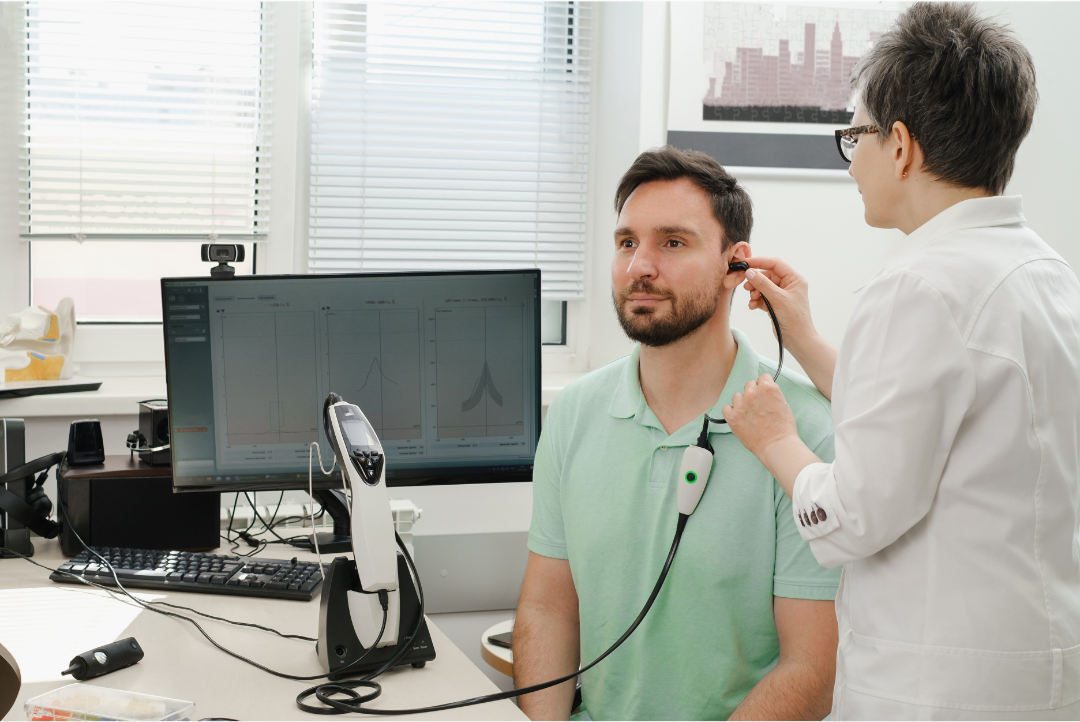
Beyond programming your hearing aids according to your hearing results, the initial fitting involves so much more. An audiologist should also verify that your devices deliver appropriate levels of amplification using real-ear measurement, which involves placing a small microphone inside your ear to measure how much sound is reaching your eardrum.
Real-ear verification is mandatory for all fittings (alternatives are sometimes permitted when conventional testing isn't possible). Some research shows that 70% of hearing aids are not fitted with verification or correct procedures. At Audiology First we will always calibrate hearing aids to your exact requirements, and listen to your needs along the way.
Everyday sounds might seem loud and tinny initially. Your own voice might even sound unfamiliar, with other ambient noises becoming more noticeable than they were before. This is normal.
Before leaving your fitting appointment, we will make sure you understand how to insert, remove, charge, and clean your hearing aids. You’ll also want to confirm when your next appointment is on the schedule - about 2 weeks after the fitting.
Weeks 1–4: Adjusting to New Hearing Aids
During the first few weeks, you want to take the opportunity to learn how your hearing aids perform in day-to-day situations. In the first month, you’ll want to try to wear your devices throughout your waking hours and adhere to any recommendations from your audiologist. Consistent use is key to help you become familiar with everyday sounds and amplification in general
You’ll visit the clinic around 2 weeks after the fitting. It is important that you keep testing the hearing aids beyond the 2-week mark and do not give up too early, as there is little evidence that you will be able to adapt to the hearing aids in such a short period of time. The two-week visit is critical to understand how the hearing aids need to be adjusted based on your experience.
Returning hearing aids too early
If you are feeling like you need to return hearing aids, discuss this with your audiologist directly. Your clinician is a registered healthcare professional, and your hearing aids were prescribed for a treatable health condition, so returning the hearing aids leaves the hearing problem untreated.
Untreated hearing loss is a significant health and quality of life concern, and research shows that untreated hearing loss is the largest modifiable risk for cognitive decline and dementia. If you’re finding it difficult, let us know. We are here to help, we’re on side with you, and will find alternatives or modifications to make things work for you.
Unfortunately, some patients still return their hearing aids well before adapting to them. Whenever this happens, we hope someone will seek help for their hearing loss again, to reduce the effects of hearing loss in the short term and the long term.
Adapting to change
Conversations at home can become easier, but busy restaurants might remain a challenge at earlier stages.
It’s helpful to keep a brief record of these experiences and their differences to discuss with your audiologist.
Be specific. Instead of saying everything sounds too loud, explain which sounds in particular are bothersome and in what specific situations/environments.
Remember, your adaptation period isn't a waiting period - we are here to help! If something isn't working, contact your audiologist rather than putting your hearing aids aside! The team at Audiology First is here to help,
you can contact us here.
Around 90 Days: Fine-Tuning Your Hearing Aids
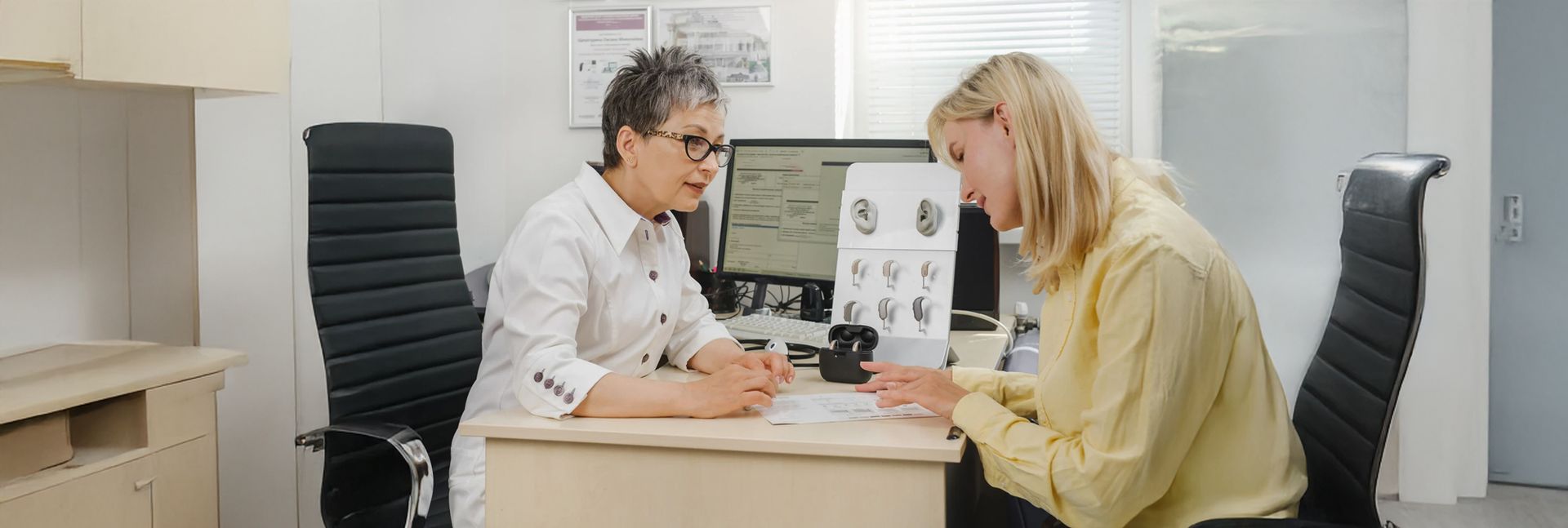
Once you’re a few months into regular use, you’ll have a better understanding of how your hearing aids perform in different environments. You should be contacted to schedule a visit with the clinic. If you need to see a clinician, you can schedule a visit to discuss your needs at any time.
During this visit, your audiologist may review your wearing habits and discuss any challenging listening situations you’ve encountered over the first few months.
This is also an opportunity for them to adjust your hearing aids accordingly for optimal performance. These adjustments may include:
- Amplification levels
- Refining noise-management settings
- Exploring accessories such as TV streamers and remote microphones
Months 4–8: Establishing Your Maintenance Routine
This is where your daily maintenance really becomes refined, as you’ll have seen all the nuances of how hearing aids work in your unique set of daily circumstances.
Your daily maintenance routine should include:
- Performing a listening check to identify distorted, crackling or unusually quiet sound
- Wiping your hearing aids with a dry, lint-free cloth
- Checking for damaged components and replacing wax filters or domes as instructed
- Making sure rechargeable devices are charging correctly
The dry, dusty conditions and temperature swings of Southern Alberta can introduce additional maintenance challenges. Try to avoid leaving your hearing aids in your vehicle during extreme heat or cold, and if you regularly exercise or work outdoors, ask your audiologist whether a drying system would be a good investment.
We offer free walk-in cleaning here at Audiology First, as well as basic troubleshooting for most hearing aids (regardless of where they were purchased). No appointment is required. Visit us today.
Where Hearing Aids Help Least
While modern hearing aids can make a tremendous difference in your ability to hear, they cannot completely restore natural hearing. What remains difficult for today’s technology are environments such as busy restaurants, large echoing rooms, overlapping conversations, and speakers that are far away from the user.
The ability to discern through and selectively
listen to noises is becoming better all the time, but hearing aids still cannot eliminate competing sounds completely.
There are strategies to help, though.
Positioning yourself where you can see people’s faces, choose or request a quieter restaurant table, and use a remote microphone can all help improve those more difficult listening situations.
What If You've Stopped Wearing Your Hearing Aids?
Some people purchase hearing aids but stop using them shortly after. Is this you?
It’s somewhat understandable, as the devices can be uncomfortable, whistle unexpectedly, be too loud, or not seem to help that much in the situations that matter most. Sometimes people just feel they don’t need to wear them every day.
This is worth discussing with your hearing care provider.
Others simply feel they don't need them every day, because many of the problems listed above can be addressed through cleaning, programming adjustments or changes to the physical fit.
Remember this, too:
Even if you don’t feel like wearing your hearing aids on a given day, that doesn’t mean the reason you got them in the first place has disappeared.
If your hearing aids are sitting unused, ask yourself, “What's specifically stopping me from wearing them?” Bring that answer to us, because even devices purchased years ago can benefit from cleaning, reprogramming or further verification by our team!
Your One-Year Review: Planning Ahead
By the end of your first year, you should have a clearer understanding of your hearing aids, their benefits and maintenance requirements. An audiologist can review your progress, address any concerns and recommend further hearing testing if needed. If your hearing has changed, your devices may require reprogramming and verification.
This is also a good time to review your warranty and discuss future maintenance or replacement options. Continue with recommended appointments and contact your audiologist if you notice changes in your hearing or the performance of your device.
Frequently Asked Questions
How long does it take to get used to hearing aids?
Many people become more comfortable over the first few weeks, but everyone’s experience is different. Consistent use, appropriate settings and follow-up support can help make the adjustment period easier. Remember that the brain is adapting slowly to the change.
Should I wear my hearing aids all day?
Yes. Most people should work toward wearing their hearing aids throughout their waking hours, following their audiologist’s recommendations. Regular use helps you become familiar with everyday sounds.
Why don’t my hearing aids help as much in restaurants?
Background conversations and competing noise make understanding speech a lot more difficult. Changing the settings on your hearing aids (with the help of your audiologist), looking at supplementary accessories, or using different seating strategies may help. Remember that not all hearing aids are built equally. Higher-end hearing aid technologies are designed to try to reduce more background noise, and enhance speech signals.
What should I do if my hearing aids stop working properly?
You’ll want to check for clogged wax filters, charging problems or visible damage. If the problem persists, contact your audiologist. Sudden hearing loss, particularly in one ear, requires urgent same-day medical assessment.
What should I do if I’ve stopped wearing my hearing aids?
Ask yourself what is specifically stopping you, whether it’s discomfort, whistling, sounds that are too loud, or not enough help in the situations that matter, and bring that answer to your audiologist. Most of these can be addressed through cleaning, reprogramming or changes to the physical fit, even for hearing aids bought years ago.
How often will I see my audiologist in the first year?
Expect a fitting appointment, a review about two weeks later and another at about four weeks, a check-in around 90 days, and a one-year review. Between visits, Audiology First offers free walk-in cleaning and basic troubleshooting for most hearing aids, with no appointment needed. If something isn’t working, you can book a visit at any time.