5 Reasons Why You Should Never Use Q-Tips For Earwax Removal and Cleaning
Introduction: why Q-tips can be dangerous
If you're like most people, you've probably used a Q-tip to remove earwax or clean your ears at some point. However, you may not know that this can actually be quite dangerous. Here's why: Earwax is there for a reason - it protects your ear canal from dirt, dust, and other potential irritants. When you use a Q-tip to remove it, you're likely pushing the wax further into the canal, which can cause blockages and ear infections. Q-tips can also damage your eardrum if used too forcefully. And if you happen to break the tip off inside your ear (believe us, it happens!), you could end up with a serious injury. So, next time you're tempted to reach for the Q-tips, think twice, or maybe three times! There are safer and more effective ways to deal with earwax buildup.
Reason 1: Damage to the Eardrum
When you insert a Q-tip into your ear, you run the risk of damaging your eardrum. Even if you don't puncture your eardrum, you can still cause serious damage by pushing earwax and other debris further into your ear canal and toward the eardrum. This can make it harder to remove without putting the ear at risk of damage.
Reason 2: Increase in Earwax Buildup
Using Q-tips for earwax removal can actually lead to an increase in earwax buildup and impaction. When you try to remove earwax with a Q-tip, you are just pushing the wax further into the ear canal. This can cause the wax to build up and harden, making it even more difficult to remove. In addition, using Q-tips can also damage the delicate skin in the ear canal, which can lead to irritation and inflammation.
Reason 3: Risk of Hearing Loss
Using Q-Tips regularly increases your risk of hearing loss. If you damage your ears and perforate an eardrum, it will often result in conductive hearing loss. While the eardrum may be able to eventually heal, there can be permanent damage. If you damage the tiny bones in the ear by trying to remove earwax, you may need reconstructive surgery on the middle ear.
Reason 4: Increased risk of infection
Q-tips may help introduce microbes such as bacteria or fungi deeper into the ear canal than they would normally reach. Earwax helps reduce infection. Studies show that otomycosis; a fungal form of ear infection can be a fairly rare but serious consequence of overzealous ear cleaning. Removing the natural protective properties of the ear canal also.
Reason 5: Skin Irritation and Allergies
Q-tips are made of cotton, which is a material that can easily irritate or cause allergies in the delicate skin inside your ear. In addition, the cotton fibers from a Q-tip can actually get left behind in the ear, forming a medium upon which wax and debris can accumulate, causing a further buildup of wax.
Alternatives to Q-Tips for Earwax Removal and Cleaning
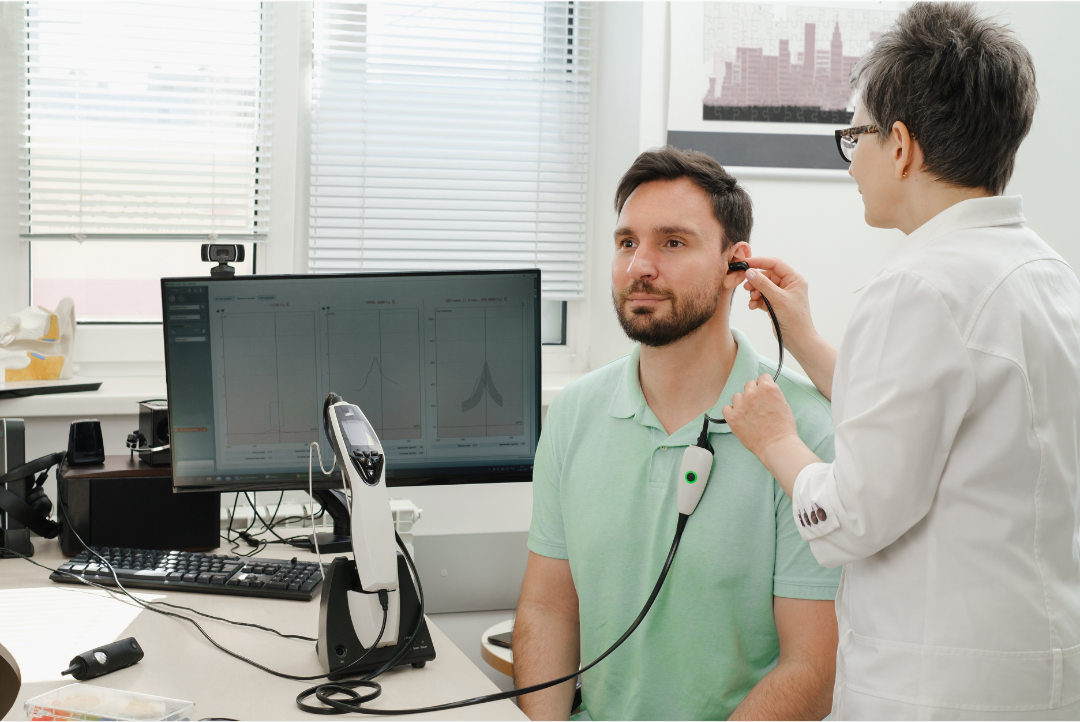
There are a number of alternative methods for earwax removal and cleaning that doesn't involve using Q-tips. These include visiting Audiology First and have a qualified, trained professional evaluate your ears for wax buildup. Audiology First is fully equipped to provide wax removal services. Our clinicians have undergone specialist training to ensure safety and comfort during wax removal procedures. You may consult with your family physician who may use a syringe to flush out the ear with warm water. Finally, you may be able to maintain a low level of wax buildup by using a wax softener such as baby oil, olive oil or an over the counter earwax softener, but it is best to receive a consultation with a professional Audiologist, physician or trained hearing care professional before treating the ears for wax blockage.
Conclusion
If you are experiencing blockage in your ears, especially if you are prone to wax buildup, it’s best to avoid using Q-tips altogether. Arrange an appointment with Audiology First to have a licensed hearing care professional check your ears, and remove wax in the safest way possible.