The Role of Regular Hearing Tests in Preventing Long-Term Hearing Damage
Regular hearing tests are essential because they can help prevent irreversible damage and protect long-term hearing health (all before noticeable symptoms even appear). Subtle changes in hearing accumulate slowly, and without routine assessments, these early warning signs can go undetected until permanent damage has already occurred.
Audiology First provides comprehensive evaluations to their patients which include advanced speech-in-noise testing. This helps to identify hidden hearing challenges, support early intervention, and ensure patients maintain the communication ability and quality of life they rely on every day.
What Does a Comprehensive Hearing Evaluation Include?
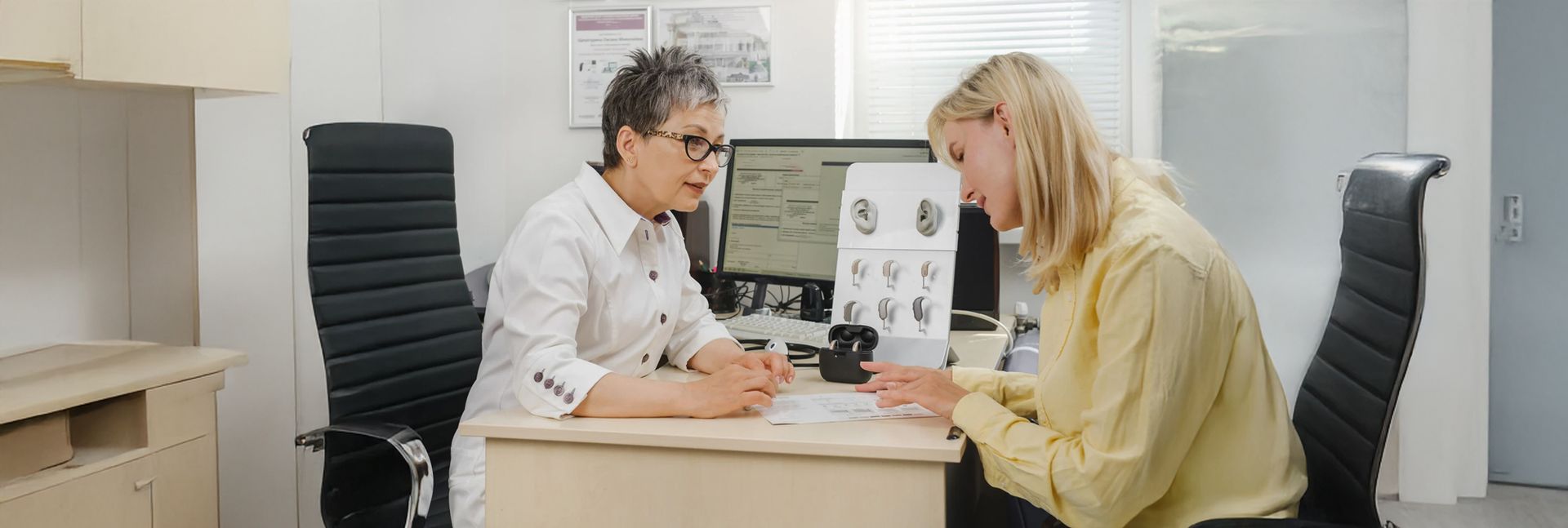
Modern hearing evaluations are far more advanced than the simple school screenings many people remember. Our team at Audiology First designs each assessment to create a full, accurate picture of hearing health using multiple specialized tests that evaluate different parts of the auditory system.
Unlike brief workplace or school-based hearing checks, a comprehensive hearing evaluation is a clinical diagnostic assessment designed to identify specific types and causes of hearing loss.
Key components include…
Pure Tone Audiometry
This foundational test measures hearing sensitivity across a wide range of frequencies. It provides baseline thresholds that allow audiologists to detect changes over time; critical for early identification of deterioration.
Speech Audiometry
Beyond detecting tones, speech audiometry evaluates how well someone understands spoken words in quiet environments. This helps determine how hearing loss affects real communication, not just sound detection.
Tympanometry
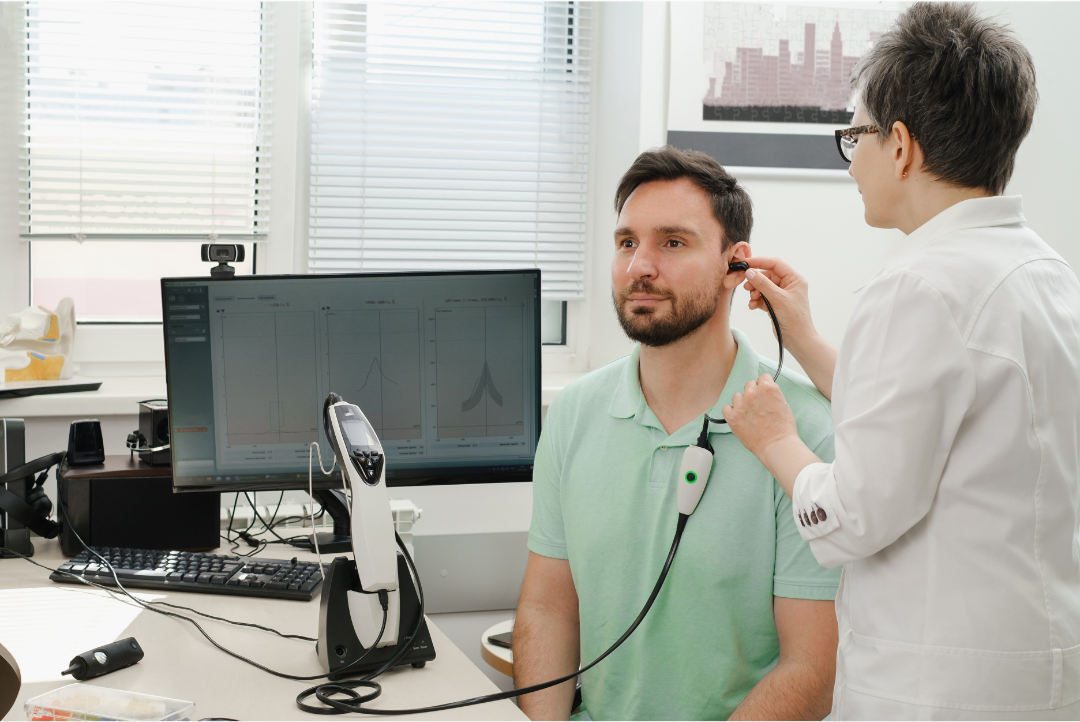
This middle ear assessment measures eardrum movement and middle ear pressure. It can identify issues such as fluid buildup, eustachian tube dysfunction, or early structural problems that may not yet cause noticeable symptoms.
Otoacoustic Emissions (OAEs)
By measuring tiny sound emissions from the inner ear, OAEs identify early sensory cell damage before it appears on traditional tests. This makes them especially valuable for monitoring noise exposure risks and detecting subtle inner ear changes.
With state-of-the-art equipment and thorough diagnostic protocols, Audiology First provides precise assessments and reliable ongoing monitoring. This multi-layered approach offers far more insight than any single screening test ever could, empowering patients with a clear understanding of their hearing health. Learn more about our assessments by
clicking here.
Why Is Speech-in-Noise Testing Critical for Real-World Hearing Assessment?
A quiet sound booth doesn’t reflect the real world. Many people “pass” a traditional hearing test yet still struggle to hear conversations in restaurants, meetings, or family gatherings. Speech-in-noise testing fills this gap.
This advanced test measures how well someone understands speech when background noise is present—a far more accurate reflection of everyday communication environments. It can reveal hidden hearing loss, a condition in which patients have normal hearing thresholds but reduced ability to process sound in noisy environments.
Early detection of these subtle processing issues provides opportunities for proactive treatment long before difficulties become disruptive. Speech-in-noise results also guide precise hearing aid programming and individualized treatment strategies, ensuring devices perform optimally in real listening situations—not just in quiet testing environments.
Audiology First uses leading speech-in-noise protocols to deliver functional hearing assessments that capture the full picture of how patients hear in daily life.
How Do Regular Hearing Tests Prevent Long-Term Hearing Damage?
Hearing loss usually progresses slowly, making it easy to overlook until communication problems become significant. Regular hearing tests prevent long-term damage by creating baseline data and tracking changes over time to catch issues early on.
Prevention benefits include:
- Early detection of deterioration, allowing for protective measures such as better noise control or medical intervention
- Identification of treatable conditions that can cause permanent damage if ignored
- Recognition of lifestyle or occupational risk factors before they lead to irreversible hearing loss
In occupational settings, routine monitoring is typically part of an employer’s health and safety program. In clinical settings, audiologists provide in-depth evaluations and follow-up care for those referred or who seek testing due to symptoms.
Audiology First takes a proactive, prevention-focused approach. Through routine monitoring and personalized prevention strategies, patients receive timely guidance on hearing protection, medical referrals (when needed), and appropriate follow-up care. Prevention is always easier, and far more cost-effective, than addressing untreated hearing loss later.
How Often Should You Get Your Hearing Tested?
Testing frequency varies by age and risk factors, but general guidelines are:
- Adults 18–50: Baseline test, then every 3–5 years
- Adults 50+: Annual exams to monitor age-related changes
- High-risk individuals: More frequent testing for those with regular noise exposure, certain medical conditions, or family history of hearing loss
- Hearing aid users: Regular follow-ups to monitor changes and fine-tune devices (schedule to be determined with your audiologist)
Age-related hearing loss is gradual, and many people don’t notice changes until communication becomes difficult…making regular testing even more essential. Audiology First creates personalized evaluation schedules to ensure each patient receives the right level of monitoring for their needs.
It’s important to know that hearing issues aren’t only age-related, either. Children, teens, and young adults experiencing symptoms such as difficulty hearing in class, ringing in the ears, or frequent misunderstandings should also be assessed as soon as possible.
What Advanced Technology Is Used in Modern Hearing Testing?
Modern audiology integrates advanced diagnostic tools that provide accuracy far beyond the older manual methods…
- Computer-based systems precisely measure thresholds and analyze auditory response patterns
- Real-ear measurements verify that hearing aids match each patient’s ear canal acoustics
- Tele-audiology options support remote screening and follow-up care
Audiology First invests heavily in cutting-edge diagnostic equipment. Our patients benefit from the most accurate results, targeted treatment planning, and some of the most comprehensive follow-up available in modern audiology care.
What Should You Do After Getting Your Hearing Test Results?
Interpreting hearing test results is the first step toward maintaining communication health. Audiologists explain what each measurement means, how it affects daily life, and what next steps are recommended.
Depending on the findings, treatment may include:
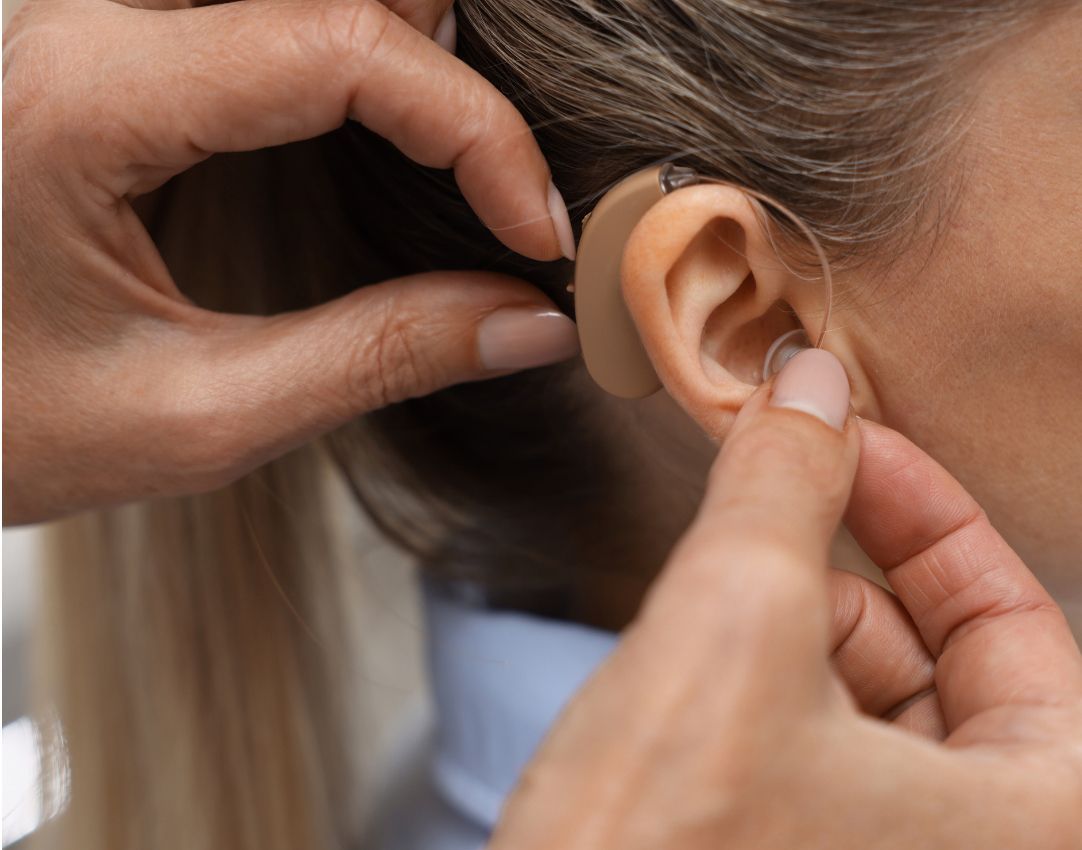
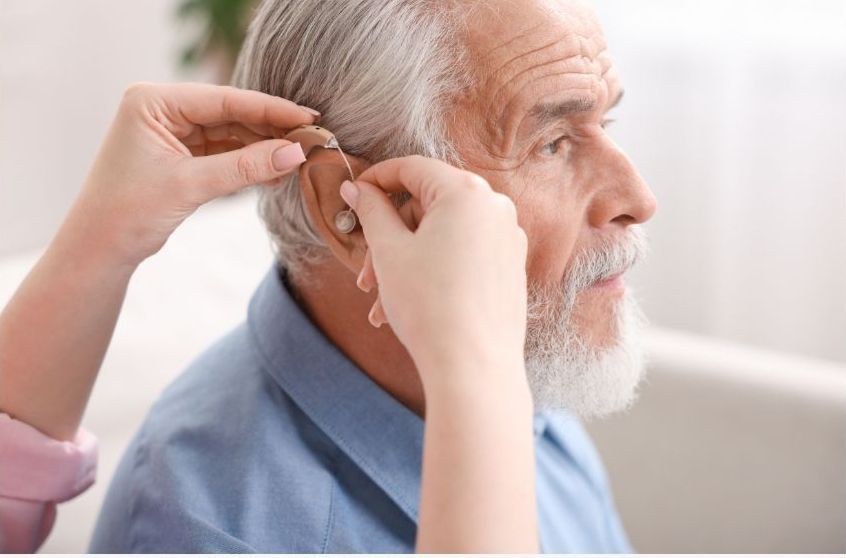
- Individually programmed hearing aids
- Assistive listening devices
- Auditory rehabilitation
- Communication strategy training
- Lifestyle adjustments and hearing protection recommendations
Regular hearing tests are the cornerstone of preventing long-term hearing damage. With early detection, modern technology, and comprehensive evaluation protocols, Audiology First provides expert audiological care that protects hearing for life.
Proactive hearing healthcare is one of the most valuable investments a person can make.
Book an appointment with us today to get started!